
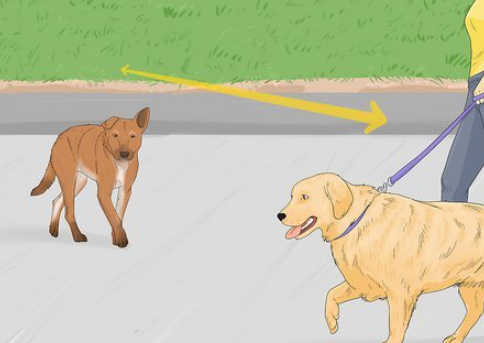
Rescuing stray dogs can be both a rewarding and challenging experience, especially when facing aggressive behavior. Understanding how to handle aggression effectively is crucial not only for your safety but also for the welfare of the animal. In this blog post, we’ll explore some essential techniques and approaches to de-escalate tense situations during dog rescues.
1. Assessing the Situation
Before approaching an aggressive stray dog, it’s important to assess the situation carefully. Look for visual cues such as body language, posture, and disposition. Pay attention to whether the dog is showing signs of fear or dominance; for instance, a dog that is standing tall with its ears erect may feel confident, while a cowering dog may be scared but could also react defensively if cornered.
Understanding the context of the dog’s behavior is key. Was the dog startled by loud noises or sudden movements? Are there other animals or people nearby that might be causing anxiety? Take a moment to survey the surroundings, as this could help you predict the dog’s behavior and develop a suitable response strategy.
-
- Observe the dog’s body language from a safe distance.
-
- Tune into environmental factors contributing to the dog’s anxiety.
-
- Maintain a calm demeanor; animals can sense stress.
-
- Identify any aggressive triggers present in the environment.
2. Approaching with Care
When it comes to approaching an aggressive stray dog, caution and strategy are crucial. First, ensure you are calm and composed. Avoid direct eye contact, as this can be perceived as a threat; instead, crouch down at an angle to appear less intimidating. Use a soft tone to call the dog, or use treats to coax the animal closer to you, creating a sense of trust. If the dog seems too agitated, it’s best to create distance.
Remember to respect the dog’s personal space. If the dog displays aggressive behavior, it may feel cornered and react defensively. Instead of lunging forward, take a few steps back and observe. You can also consider using a carrier or crating method; if the dog is familiar with these, they can provide a sense of security and help ease the transition.
-
- Stay low and avoid direct eye contact to reduce intimidation.
-
- Use soft tones and calming language to communicate.
-
- Maintain a safe distance if the dog shows signs of aggression.
-
- Consider using treats or toys as a lure; a familiar item may help disarm aggression.
3. Implementing Safety Measures
Implementing safety measures during a stray dog rescue is critical for both you and the dog. Wearing protective gear like gloves and long sleeves can help prevent injuries if the situation escalates. Additionally, always have a leash and a muzzle ready; even if the dog seems calm, it’s better to be prepared for unexpected behaviors.
Consider working with a partner during the rescue to ensure that someone is always monitoring the dog’s behavior. If one person can effectively distract or calm the dog, the other can safely prepare to secure it with a leash or transport it to a safer environment. Teamwork can make a huge difference in successfully rescuing an aggressive stray.
-
- Equip yourself with gloves, long sleeves, and other protective gear.
-
- Have a leash and muzzle on hand for unexpected aggression.
-
- Coordinate with a partner during the rescue for added safety.
-
- Consider carrying a calming spray or treats to ease the dog’s anxiety.
4. Seeking Professional Help When Necessary
In some cases, you may encounter a stray dog whose aggression is beyond your ability to manage safely. If the situation feels overwhelming or you’re not confident in handling the dog, it’s crucial to seek professional assistance. Local animal control or a nearby rescue organization is often better equipped to handle aggressive dogs and can provide humane treatment options.
Don’t hesitate to reach out for help if needed. Some organizations specialize in behavior rehabilitation and can offer insights that increase your chances of a successful rescue. Remember, prioritizing the safety of both you and the animal is paramount; sometimes, waiting for a professional is the best decision.
-
- Know when to call for backup and don’t push your limits.
-
- Research and have contact information for local animal rescues or control.
-
- Understand the importance of humane treatment and rehabilitation.
-
- Trust your instincts and listen to your comfort level in the situation.
In conclusion, rescuing a stray dog displaying aggressive behavior requires a thoughtful approach filled with caution and empathy. By assessing the situation, approaching the dog carefully, implementing safety measures, and knowing when to seek professional help, you create a safer and more effective rescue environment. Each step you take not only helps the dog but also contributes positively to your growth as a rescuer. Take the first step today and make a difference in a stray dog’s life.