
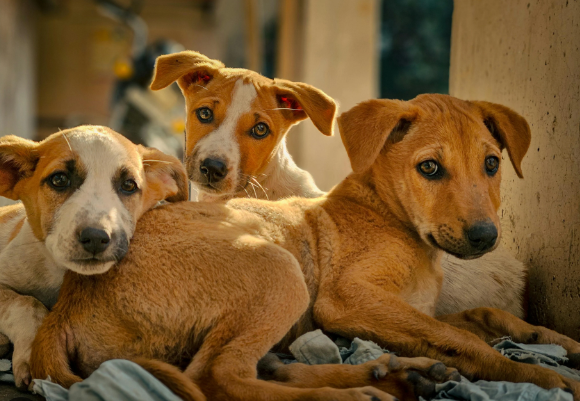
Rescuing stray dogs at night can be challenging but incredibly rewarding. With reduced visibility and nighttime noises, these rescues require a specific set of skills and strategies to ensure safety for both the rescuer and the dog. Follow these tips to effectively and compassionately help nocturnal strays.
1. Assessing the Situation
Before you approach a stray dog at night, it’s crucial to assess the situation from a distance. Observe the dog’s behavior and health condition. Is the dog aggressive, scared, or approachable? Look for signs of an injury or illness that may require immediate attention. This assessment will help you determine the best approach to take.
Consider your surroundings as well. Are there other people nearby, or is the area secluded? A quiet location might make the dog feel threatened, while a populated area may have more distractions or help available. Always prioritize safety for both you and the dog when deciding how to proceed.
-
- Use a flashlight to get a better view.
-
- Keep a safe distance until you determine the dog’s demeanor.
-
- Look for signs of fear or aggression before approaching.
-
- Assess your surroundings for safety risks.
2. Approaching the Dog
Once you’ve assessed the situation and feel comfortable proceeding, approach the dog slowly and calmly. Avoid any sudden movements that may startle the animal. Speak softly to reassure the dog and show that you come in peace. Offering a treat or food can also help establish trust, but be aware that not all dogs will respond positively.
Always remember that not all dogs want human interaction, especially if they are scared. Give the dog space to come to you if they wish. If the dog shows signs of aggression or fear, retreat and wait for the situation to change rather than forcing interaction.
-
- Walk slowly and speak in a calm voice.
-
- Offer food only if the dog appears receptive.
-
- Don’t rush; let the dog come to you.
-
- If the dog is frightened or aggressive, back away slowly.
3. Capturing and Securing the Dog
If the dog is approachable, your next goal is to capture and secure it safely. A humane trap can be useful, especially for dogs that are skittish or reluctant to come close. You can either borrow or rent a trap from a local shelter or rescue organization. Set it up with food inside, ensuring it triggers correctly when the dog enters.
In cases where the dog is friendly, you may need a leash or a slip lead to secure them gently. Approach with the lead, and try to loop it over their head without binding them too tightly. A gentle touch is essential; hurting the dog could either trigger a defensive response or cause it to bolt.
-
- Set up a humane trap if necessary.
-
- Use food to lure the dog into the trap.
-
- For friendly dogs, use a leash gently.
-
- Treat the dog calmly once secured; offer praise if possible.
4. Transporting the Dog
Once you have successfully captured the dog, it’s time for transportation. If the dog is small enough, consider using a crate or a pet carrier. If a crate isn’t available, ensure they are calm and secure in your vehicle, preferably in a designated area away from distractions. Use a blanket to cover the dog, which can help alleviate anxiety.
If you’re dealing with a larger or more anxious dog, a muzzle may be necessary for transport, especially if the dog seems distressed. Always handle muzzles gently; they’re not intended to harm, but rather to keep everyone safe. Once you reach a safe location, such as a vet’s office or a shelter, you can remove the muzzle.
-
- Use a crate or carrier for transportation if possible.
-
- Cover the dog with a blanket to reduce stress.
-
- Consider using a muzzle with care for anxious dogs.
-
- Drive carefully and avoid sudden movements.
5. Seeking Help and Following Up
After successfully rescuing the dog, it’s important to seek professional help, such as a veterinarian. Make an appointment to check for any injuries, parasites, or diseases that might not be visible at first. This step is critical for both the dog’s health and the safety of other pets you might have.
Don’t forget to consider long-term arrangements. If you cannot keep the dog, reach out to local shelters, rescue groups, or community programs that help find homes for strays. Ensure that you gather as much information as possible about the dog to assist with their transition into a new environment.
-
- Take the dog to a veterinarian for an initial health check.
-
- Document any visible injuries or medical concerns.
-
- Contact local rescues or shelters for support.
-
- Share your knowledge about the dog’s behavior to aid in placing them.
Rescuing stray dogs at night can be daunting, but your determination can make a world of difference for an animal in need. Take the initiative to familiarize yourself with these steps, and remember the importance of consulting professionals for ongoing care and safe solutions for strays. Every bit of effort counts towards a brighter future for our furry friends.