
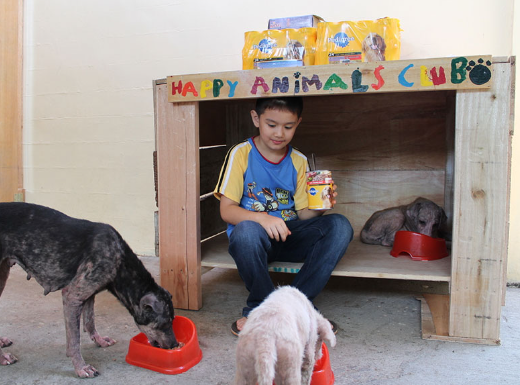
Rescuing stray dogs is a vital topic many children can understand and connect with. Through engaging discussions and practical activities, kids can learn the importance of compassion, responsibility, and community involvement.
1. Understanding Stray Dogs
First, it’s essential to explain what a stray dog is. Stray dogs are pets that have been lost, abandoned, or born on the streets without a human owner. Share stories of how dogs end up on the streets, emphasizing that many are frightened and hungry, needing help and compassion from all of us. This will help children empathize with the plight of these animals.
A good way to illustrate the difference between stray dogs and pets is to explain how stray dogs often have to fend for themselves. This might include scavenging for food, facing harsh weather, and avoiding dangers like traffic. By attending to these points, children will better appreciate the challenges strays face.
-
- Talk about different reasons dogs may become strays.
-
- Show images of stray dogs to create a visual connection.
-
- Encourage kids to share any experiences they have had with stray animals.
-
- Discuss how stray dogs feel emotions like fear, loneliness, and hunger.
2. The Importance of Rescuing Strays
Rescuing stray dogs is important for various reasons. First, it helps prevent a homeless animal population crisis. Dangerous conditions await stray dogs, including malnutrition and diseases. By rescuing them, we not only save lives but also help improve public health.
Additionally, adopted stray dogs can become loving companions. They often show immense gratitude and loyalty once they receive proper care. Many families find that adopting a dog from a shelter or rescue organization has enriched their lives and taught them valuable lessons about responsibility and empathy.
-
- Discuss how rescuing strays helps the community.
-
- Highlight the benefits of adopting instead of buying pets.
-
- Share success stories of rescued stray dogs.
-
- Emphasize the emotional benefits of having a pet at home.
3. How to Help Stray Dogs
Children can play a vital role in helping stray dogs, even from a young age. One of the simplest ways is to get involved in local animal shelters or rescue organizations. Many shelters welcome young volunteers and provide flexible opportunities for kids to help care for animals.
Families can also participate in community initiatives, such as organizing food drives or fundraising events for local shelters. Encouraging kids to think about what they can do to help will foster a sense of responsibility and community awareness. Simple acts can have profound effects, both for the animals and the youngsters involved.
-
- Research local animal shelters to find volunteering opportunities.
-
- Organize a community fundraiser for a strays advocacy group.
-
- Encourage children to create pet care packages with food and toys.
-
- Discuss the importance of spaying and neutering to prevent overpopulation.
4. Educating Others about Stray Dog Rescue
Kids can spread awareness about the importance of stray dog rescue through various creative outlets. For instance, they might create posters for their neighborhood or school, sharing information about how to help stray dogs and why it’s crucial. By educating others, children play an integral role in building a more compassionate community.
Another way to teach their peers is by arranging school presentations or workshops focusing on stray dog care and rescue. Engaging a local veterinarian or animal expert can make these sessions even more informative and exciting. It equips children with knowledge they can pass on and encourages their peers to take action.
-
- Encourage children to host awareness campaigns in school.
-
- Provide resources and educational materials to share.
-
- Inspire kids to create artwork or stories centered around rescuing animals.
-
- Invite experts to speak and answer questions about stray dogs.
Encouraging children to understand and engage with stray dog rescue not only benefits the animals but also teaches essential life values. By fostering empathy, responsibility, and community spirit, you help shape a generation of compassionate individuals ready to make a difference. Start small, explore opportunities, and inspire others to join the cause!