
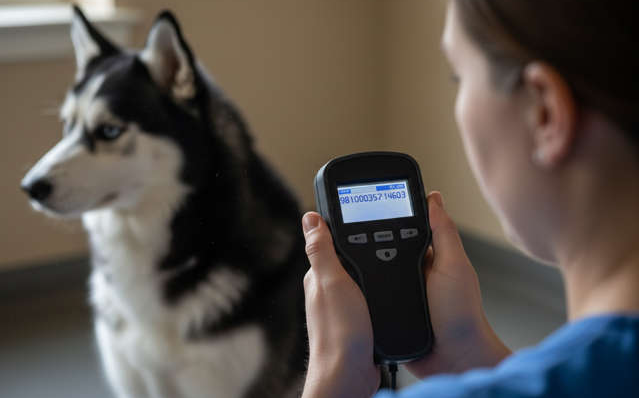
Microchip scanning plays a vital role in the world of stray dog rescue. Understanding the importance of this simple yet effective technology can greatly enhance the chances of reuniting lost pets with their families and ensuring they find safe homes. Let’s dive into why microchip scanning matters and how it can impact the lives of stray dogs.
1. Understanding Microchips and Their Purpose
A microchip is a small electronic device implanted just beneath the skin of a dog. This chip contains a unique identification number that can be read by a scanner, providing essential information for tracking down the dog’s owner. Unlike collars that can be lost or removed, microchips are a permanent form of identification that can greatly aid in the rescue process.
In many areas, local shelters and veterinary clinics are equipped with microchip scanners. Whenever a stray dog is brought in, it is standard procedure to scan for a microchip. If a chip is found, the information can be cross-referenced with a national registry to identify the owner. This process promotes responsible pet ownership and encourages owners to microchip their pets.
-
- Ensure your pet is microchipped and the information is current.
-
- Visit your local shelter or vet to see if they offer microchip scanning services.
-
- Regularly check your microchip registration information.
-
- Advocate for community awareness on the benefits of microchipping.
2. Enhancing the Rescue Process
When strays are taken in by rescues, each minute counts. The sooner a stray can be scanned for a microchip, the sooner it can be reunited with its owner or placed into a new home. This helps reduce the strain on shelters and increases the chances of successful adoptions. Many potential adopters prefer dogs with microchips as it shows a level of responsibility from previous owners.
Moreover, a microchip can be invaluable in cases where a dog has been lost for a longer period of time. Scanning can reveal essential information about a dog’s medical history or any required medications that could help in its recovery. This can significantly aid vets in providing the best care tailored to the dog.
-
- Implement regular scanning routines for all incoming strays.
-
- Document the process and outcomes of microchip scans.
-
- Provide training for volunteers and staff on how to use scanners.
-
- Establish partnerships with local vet clinics for resource sharing.
3. Bridging the Gap Between Owners and Rescues
Microchips serve as a bridge, connecting stray dogs to their families. In many cases, pet owners may be searching for their lost dogs and may not even realize that their beloved pet is with a local rescue. By effectively scanning and reporting the findings, rescues can assist in reuniting families with their pets, fostering a sense of community.
Additionally, public awareness campaigns can emphasize the importance of microchipping for pet owners. Educating the community on this simple step could lead to a significant decrease in the number of lost pets, ensuring both strays and their owners have better chances of being together. By sharing stories of successful reunions, rescues can also inspire people to adopt and microchip their own dogs.
-
- Share successful reunion stories on social media to inspire others.
-
- Organize community microchip clinics.
-
- Hand out educational materials about microchipping at community events.
-
- Encourage pet stores to promote microchip awareness.
4. The Emotional Impact on Rescues and Communities
The emotional toll of stray dog rescues can be overwhelming for volunteers and staff. The reward of reuniting a lost dog with its owner can rejuvenate morale and motivate continued efforts. Scanning for microchips not only brings joy to families but also offers a sense of purpose to those dedicated to rescuing animals. The bond formed in these reunions can create lasting memories for everyone involved.
On a community level, successful micrchipping initiatives can foster compassion and responsibility for all pets. As more dogs are returned to their owners, a stronger network of support is built, where people take an active role in ensuring the welfare of stray and lost animals. This engagement can be a powerful catalyst for change, promoting a more humane and responsible society.
-
- Host community events focused on rescuing and microchipping pets.
-
- Encourage positive stories of impact among volunteers and supporters.
-
- Share the emotional journeys of rescues through blogs or vlogs.
-
- Strengthen partnerships with local businesses to support these initiatives.
In conclusion, microchip scanning is a simple yet powerful tool that has a profound impact on stray dog rescue efforts. By highlighting its importance and integrating it into daily practices, communities can come together to make a difference. Consider taking the next step by discussing microchipping with your veterinarian or volunteering at local shelters to help stray dogs find their way home.