
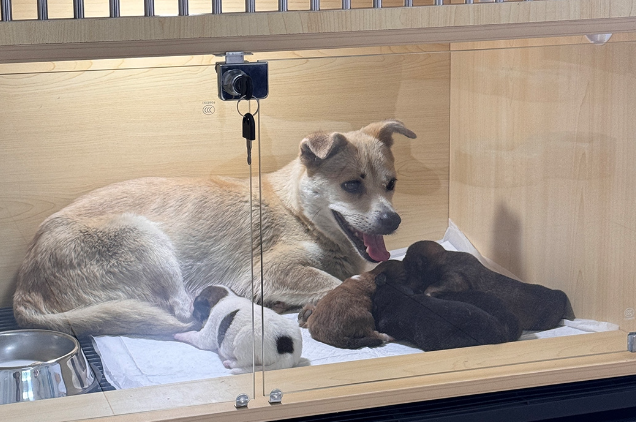
Bringing a rescued stray dog into your home can be a heartwarming experience, but it also requires careful planning to create a safe, temporary space. This is especially important to help the dog feel secure while adjusting to a new environment. In this blog post, we will explore how to set up the right temporary space for your newly rescued furry friend.
1. Choosing the Right Space
When deciding where to set up a temporary space for your rescued dog, priority should be given to safety and comfort. A quiet room with minimal foot traffic is ideal, as this allows the dog to acclimate without overwhelming stimuli. Ensure the area is free from hazards such as electrical cords, small objects they might swallow, or household chemicals that could pose a risk.
Furthermore, consider the flooring of the selected room. Non-slip surfaces are preferable to prevent injuries, especially if the dog is not yet familiar with the environment. A cozy corner that feels enclosed can help the dog feel secure, so think about using a crate or a soft bed in this area.
-
- Choose a quiet room away from daily activity.
-
- Remove hazards and potential choking items.
-
- Opt for non-slip flooring to ensure safety.
-
- Create a cozy, enclosed space using a crate or soft bedding.
2. Providing Essential Supplies
Once the space is selected, equipping it with essential supplies is the next step. Your new friend will need food and water bowls, quality dog food, and a comfortable resting area. Pay attention to the dog’s size, age, and health considerations when choosing the appropriate food to ensure they receive proper nutrition.
In addition to food, consider providing a few toys to help your dog feel at home. Toys can serve as great distractions, allow for play, and promote positive behaviors. Make sure to choose toys that are safe and appropriate for the dog’s size—avoid anything with small parts that can be chewed off.
-
- Provide food and water bowls, ensuring they are easily accessible.
-
- Select high-quality dog food suitable for their age and health needs.
-
- Include a comfortable bed or crate for resting.
-
- Provide safe toys to promote play and reduce anxiety.
3. Establishing a Routine
Establishing a routine is crucial in helping a rescued dog adapt to their new environment. Dogs are creatures of habit and will benefit from a consistent schedule that includes feeding times, bathroom breaks, and play sessions. This not only helps them feel secure but also minimizes anxiety and behavioral issues.
During the initial adjustment period, it is essential to keep a close eye on your dog’s behavior and needs. Make sure to give them time to explore their surroundings at their own pace. Gradually introduce them to various household sounds and smells while monitoring their comfort levels.
-
- Set regular feeding times to create structure.
-
- Plan bathroom breaks to avoid accidents indoors.
-
- Allocate playtime and quiet time for relaxation.
-
- Monitor behavior and comfort levels, gradually introducing new stimuli.
4. Socialization and Interaction
Socialization is a vital aspect of helping a rescued stray dog feel more at home. Gradually introduce your dog to family members in a calm and positive manner, encouraging gentle interactions. It’s best to set boundaries during these interactions to avoid overwhelming the dog, especially in the initial stages.
Consider allowing the dog to explore their space freely while being present to offer reassurance. Engaging in low-key activities such as gentle play or quiet petting sessions will help build trust and connection over time. Always watch for signs of stress or discomfort, and give the dog space when needed.
-
- Introduce family members one at a time to avoid overwhelming the dog.
-
- Engage in low-energy activities to promote bonding.
-
- Use positive reinforcement for good behavior during interactions.
-
- Be mindful of the dog’s stress signals and allow them to retreat if necessary.
5. Seeking Professional Help if Necessary
In some cases, the dog may require professional help to address behavioral issues or anxiety stemming from past trauma. Consulting with a veterinarian or a certified dog trainer can provide valuable insights and strategies tailored to your dog’s unique needs. They can guide you in understanding the underlying issues and suggest effective training techniques.
Continuously educate yourself on canine behavior to better support your rescue. It’s important to remember that every dog is different, and what works for one may not work for another. Being adaptable and willing to learn will help you create the best environment for your new companion.
-
- Consider seeking help from a veterinarian for health or behavioral concerns.
-
- Consult certified dog trainers for professional training techniques.
-
- Educate yourself on dog behavior through books or online resources.
-
- Be patient with the process of adjustment and training.
Creating a safe temporary space for a rescued stray dog requires thoughtful preparation and ongoing care. By establishing a comfortable environment, providing essential supplies, and focusing on routine and socialization, you can make the transition smoother for your new furry friend. Don’t hesitate to seek professional guidance if needed, as every bit of help can make a significant difference in their adjustment process.