
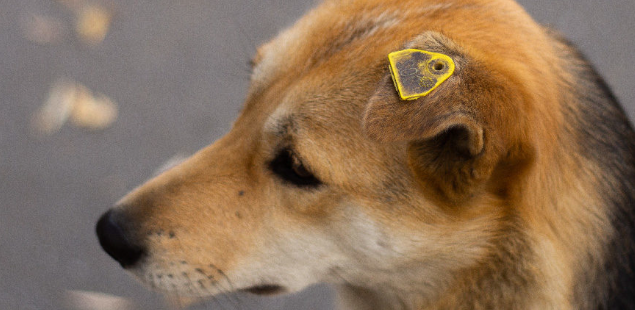
Encountering a stray dog can be a heartwarming experience, but it’s essential to ensure their safety and identify any potential owners. Knowing how to check a stray dog for identification is vital both for the well-being of the animal and to help reunite them with their family.
1. Examine the Dog’s Collar and Tags
The first and most straightforward step is to check if the dog is wearing a collar. Many pet owners have their dogs wear identification tags that typically contain the owner’s name, phone number, and in some cases, the dog’s name. Approach the dog cautiously, speaking softly to avoid startling them as you look for any ID information.
If you locate tags, keep in mind that some might be obscured by fur or dirt. Look for a rabies vaccination tag, which most regions require for pets. This tag often has contact information for the owner, the veterinarian, and relevant licensing information.
-
- Speak gently to calm the dog as you approach.
-
- Check both the front and back of the collar.
-
- Look for any signs of tags that may be weathered or worn.
-
- If there are multiple tags, examine them all for contacts.
2. Inspect the Dog for Microchips
If the dog doesn’t have an identifiable collar, the next best step is to check for a microchip. Microchips are small devices implanted under the skin, and they contain unique identification numbers linked to the owner’s contact information. Most shelters and veterinary offices have scanners to check for these, and it’s a painless process for the dog.
It’s advisable to take the dog to a local animal shelter or veterinary clinic for a microchip scan as soon as possible. Sometimes, shelters may offer free services for scanning strays. Knowing whether a dog is microchipped can provide a quick route to reuniting them with their owner.
-
- Call ahead to ensure the clinic or shelter can scan for microchips.
-
- Make sure to handle the dog gently while transporting them.
-
- Bring any identification if available, to help with the scanning process.
-
- Ask if they can check for additional details related to the microchip.
3. Assess for Other Identifying Features
While collars and microchips are the standard ways to identify a pet, sometimes a dog can be recognized by unique traits. This could include specific markings, scars, or even particular behavioral traits that might be known to their owners. Make a careful note of these features, as they can be helpful when posting about the found dog on social media or within the community.
Taking a good photo of the dog can also help; visuals are essential for reaching out through various online platforms or community bulletin boards. While it’s advisable to be calm and empathetic towards the dog, having a helper can also make the task easier. Consider having someone observe the dog from a distance to avoid overwhelming the animal.
-
- Document any specific markings or characteristics in detail.
-
- Take photos from various angles, focusing on the dog’s face and unique features.
-
- Stay patient and calm to build trust with the dog.
-
- Observe any specific behavior that stands out, as this could be crucial.
4. Utilize Social Media and Local Resources
Once you’ve gathered all necessary identification details and it seems that the dog may not return home soon, it’s time to leverage social media and local resources. Numerous community groups specialize in reuniting lost pets with their families, and reaching out can amplify your efforts. Posting a detailed description along with photos on platforms like Facebook, Instagram, or Nextdoor can help community members keep an eye out.
You can also reach out to local animal shelters, put up flyers in your neighborhood, and even contact local veterinarians. They often have networks of pet owners who may recognize the dog or even actively be looking for a missing pet. Remember that being proactive can lead to a significantly quicker reunion.
-
- Create an eye-catching post with detailed information, including clear photos.
-
- Share across multiple social media platforms.
-
- Print and distribute flyers in your neighborhood.
-
- Engage with local animal groups for increased reach.
5. Foster the Dog Safely
If you cannot locate the owner immediately, ensuring that the dog is secure and comfortable in your care is crucial. Create a safe and quiet environment for the dog, either in a designated area in your home or in a garage, depending on your circumstances. Make sure they have access to water and moderate amounts of food, preferably if you know a little bit about their dietary habits.
Maintain vigilance with the dog to assess their behavior and health. If you observe any concerning symptoms like lethargy, aggression, or if the dog seems injured, consult a veterinarian as soon as possible. Safety is always a priority, both for you and the dog.
-
- Provide a safe space away from chaos and noise.
-
- Ensure the dog has access to fresh water and food.
-
- Monitor their behavior for any signs of distress or illness.
-
- If needed, consult a vet regarding any potential health concerns.
In conclusion, checking a stray dog for identification is a responsible and compassionate task that can greatly affect the lives of both the animal and its owner. Always take the time and effort to ensure the safety and well-being of the dog and strive to reunite them with their family when possible. Your good actions today can lead to joyful reunions tomorrow!