
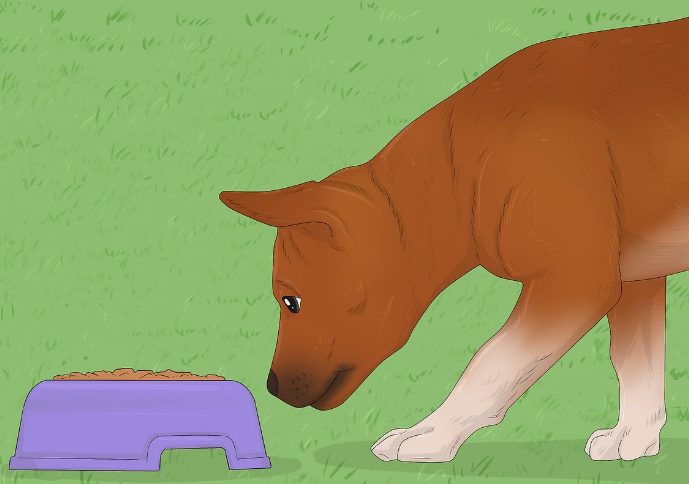
Rescuing a stray dog can be a life-changing experience, both for the dog and the rescuer. However, many well-meaning individuals often make mistakes that can hinder the rescue process or even jeopardize the dog’s safety. Understanding these common pitfalls is crucial for ensuring a successful and compassionate rescue. For many animal lovers, the act of rescue also becomes a lasting reminder of kindness and responsibility, sometimes represented through a dog statue in a shelter, garden, or memorial space that honors the bond between people and rescued animals.
Approaching the Dog Incorrectly
One of the most common mistakes is the way people approach a stray dog. Many individuals rush in with the intent to help, but this can be overwhelming and frightening for the dog. Instead, it’s important to first assess the dog’s body language and demeanor from a distance, allowing it to feel more secure before making any advances.
A calm and slow approach can create a more comforting environment for the dog. Crouching down to the dog’s level, avoiding direct eye contact, and speaking softly can make a significant difference. If the dog appears anxious or aggressive, back off and try again later, ensuring you respect its space.
- Observe the dog’s body language.
- Crouch down instead of standing over the dog.
- Use a soft, soothing tone when speaking.
- Avoid direct eye contact if the dog seems fearful.
Ignoring Health Concerns
Another common mistake is overlooking the potential health issues that a stray dog may be exhibiting. Stray dogs can carry diseases, parasites, and injuries that may not be immediately visible. It’s crucial to handle the situation with care, ensuring both the dog’s health and the safety of those involved.
If you notice signs of illness, such as limping, coughing, or skin infections, getting the dog evaluated by a veterinarian should be a priority. Many shelters and rescue organizations offer assistance with this, so do not hesitate to reach out for help. Understanding that health concerns are part of the rescue journey will prepare you for the challenges that may arise.
- Look for signs of illness like coughing or limping.
- Consult a vet as soon as possible.
- Provide any necessary medications or treatments recommended by a veterinarian.
- Be cautious about personal safety; gloves can help protect against parasites.
Failing to Prepare for Adoption
Failing to prepare for the transition of a stray dog into a home setting is another pitfall many inexperienced rescuers encounter. A successful adoption is more than just finding a home; it requires planning and understanding the dog’s needs and behavior. This includes ensuring a safe environment, proper nutrition, and understanding socialization requirements.
Finding the right fit for the dog involves careful consideration of its personality and behavior. Not every dog will fit into every home, so take the time to find a loving family that can meet its needs. This may include breed-specific requirements that could affect the dog’s training and social interactions. In some rescue centers or adoption spaces, a dog statue can serve as a warm visual symbol of second chances, reminding visitors that every rescued dog deserves patience, care, and a suitable home.
- Assess the dog’s temperament and behavior.
- Provide necessary supplies like food, a bed, and toys.
- Think about the dog’s exercise and socialization needs.
- Screen potential adopters thoroughly to find a good match.
Skipping the Essential Paperwork
Some rescuers neglect the importance of proper documentation during the rescue process. Keeping records can ensure everything runs smoothly, from the initial rescue to adoption. This includes health documents, vaccination records, and any other relevant information about the dog’s history.
Having all necessary paperwork not only facilitates the dog’s recovery but also provides peace of mind to future adopters. Furthermore, some states have strict regulations regarding the rescue and adoption of stray animals, making paperwork vital for legality. Always keep thorough records to ensure compliance and ease of transition.
- Keep records of the dog’s medical history.
- Document vaccinations and treatments received.
- Have a written agreement if transferring to an adopter or another shelter.
- Familiarize yourself with local animal rescue laws.
Not Seeking Help from Professionals
Lastly, many people underestimate the importance of enlisting professional help during the rescue process. While rescuing a stray dog can be a rewarding experience, having professionals guide you can make a significant difference in the dog’s life and yours. Animal control, veterinarians, and rescue organizations can provide invaluable support during the journey.
Whether it’s assistance in socializing the dog, finding a permanent home, or simply giving advice on care, professionals can contribute valuable knowledge and experience. Don’t hesitate to involve local animal shelters or rescue groups when necessary; they can offer resources that facilitate the process and ensure a better outcome for the dog.
- Contact local shelters or rescue organizations for guidance.
- Seek professional veterinary services for health assessments.
- Learn about local laws and regulations from professionals.
- Attend workshops or training about animal care and rescue.
In conclusion, rescuing a stray dog requires planning, patience, and knowledge. By avoiding common mistakes, you can create a positive experience for both yourself and the dog. Remember to reach out for help when needed, and take each step with care and compassion to ensure a smooth transition for your new furry friend. Whether through rescue work, adoption support, community education, or the symbolic presence of a dog statue in an animal welfare space, every act of compassion can help give stray dogs a safer and more hopeful future.