
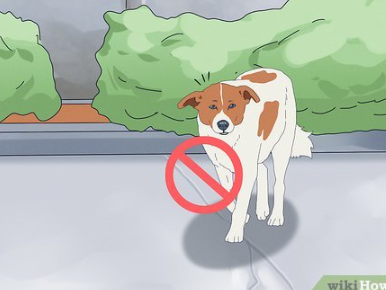
When faced with a stray dog rescue situation, your actions can make a significant difference in that animal’s life. Knowing the proper steps to take can help ensure the safety of both you and the dog. This guide outlines essential first steps to take when you encounter a stray dog and provides actionable tips to foster a safe and positive outcome.
1. Assess the Situation
Before approaching a stray dog, take a moment to assess the environment around you. Look for signs of aggression or fear in the dog’s body language. If the dog is barking, growling, or showing its teeth, it may be best to keep your distance and call animal control for assistance. On the other hand, if the dog appears calm or is exhibiting friendly behavior, you may have a better chance of helping it.
Consider the dog’s condition as well. Is it visibly injured, malnourished, or in distress? If so, it may require immediate medical attention. Understanding the immediate needs of the dog will allow you to take appropriate action, whether that means providing temporary care or summoning professional help.
-
- Observe the dog’s behavior from a distance.
-
- Look for signs of injury or distress.
-
- Check the surrounding environment for hazards.
-
- Document any identifiable characteristics of the dog.
2. Approach with Caution
Once you’ve assessed the situation and determined that it’s safe to approach, do so slowly and calmly. Avoid sudden movements or loud noises that might startle the dog. Instead, crouch down to the dog’s level and extend your hand slowly to allow the dog to sniff you. This helps establish trust and reduces the likelihood of aggression.
As you approach, speak softly and reassuringly, using a calm tone. Make sure your body language is non-threatening; avoid direct eye contact, as this can be perceived as confrontational. If the dog starts to back away, give it space. Patience is key—allow the dog to come to you when it feels comfortable.
-
- Move slowly and quietly.
-
- Crouch down to appear less intimidating.
-
- Extend your hand for the dog to sniff.
-
- Use a calm, gentle tone to communicate.
3. Gather Information
If the dog seems safe and approachable, your next step is to gather information that can assist in reuniting the dog with its owner or finding it a new home. Look for a collar with tags; many dogs carry identification that can direct you to their owner. If you find a microchip, your local animal shelter can scan it for further information.
Additionally, ask local residents if they recognize the dog. Sometimes strays are local pets that have wandered off or escaped from their yards. Posting on neighborhood social media groups can also help spread the word about the lost dog.
-
- Check for a collar and tags.
-
- If safe, scan for a microchip.
-
- Ask neighbors or nearby businesses if they recognize the dog.
-
- Post photos and details on local social media groups.
4. Provide Basic Care
If you cannot find the owner and must care for the dog, the next step is to provide basic needs—food, water, and shelter. Offer the dog some water first; dehydration can be a significant issue for strays. If it seems hungry, provide a small amount of dog food. Avoid human food, as it can cause digestive problems.
Ensure the dog has a safe space to rest. If the weather is inclement, bring the dog indoors if possible or provide shelter outside. Keeping the dog in a quiet area will help it relax and feel more secure in its new surroundings.
-
- Provide fresh water immediately.
-
- Offer a small amount of dog food, preferably dog-specific.
-
- Set up a comfortable resting area.
-
- Ensure the environment is safe and secure.
5. Explore Long-Term Solutions
After meeting the immediate needs of the dog, start exploring long-term solutions. If the dog has no identifiable owner, consider taking it to a local shelter where it can receive medical care and protection. These organizations often have resources for reuniting lost pets with their owners or finding them new homes.
Alternatively, if you feel able, you can foster the dog until a permanent solution is found. Make sure to consult local shelters or rescue groups before making a decision, as they can provide guidance and support.
-
- Contact local shelters for assistance and advice.
-
- Consider fostering if you have the means.
-
- Keep the dog safe and provide medical care as needed.
-
- Stay informed about local adoption methods.
Rescuing a stray dog is a compassionate act that can change a life for the better. By following these steps, you can help ensure that the dog receives the care and attention it deserves. Whether you choose to report the dog, foster it, or seek out professional help, your actions can lead to a much brighter future for a lost animal.