
Moo vs. Moo: Unpacking the Diets of Cows and Buffaloes
Understanding the diets of cows and buffaloes can offer valuable insights into their care and management, especially for farmers and enthusiasts alike. While these two animals may seem similar, their nutritional needs and eating habits can differ significantly. Let’s dive into some key comparisons to see how their diets stack up.
Diverse Palates: What Cows Eat
Cows are primarily herbivores, relying heavily on grasses, legumes, and silage. Grazing is a natural behavior for them, allowing them to consume large amounts of fibrous material. A balanced diet for cows typically contains a mix of forages and grains to provide the necessary energy and nutrients. Interestingly, cows have a rumen that allows them to break down tough plant materials efficiently, making them capable of digesting a wide range of vegetation. Their diet influences not only their health but also the quality of milk and meat they produce, making it crucial for farmers to provide optimal nutrition.
Buffalo Diets: A Slightly Different Approach
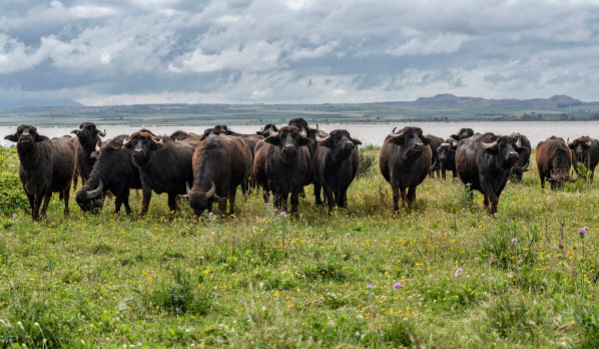
Buffaloes, while also herbivores, have a slightly different diet compared to cows. They tend to thrive on coarse grasses and aquatic plants and are often found grazing in marshy or wetland areas. Buffaloes can consume a higher proportion of fibrous material and are remarkably adapted to digesting tougher vegetation. Additionally, they require ample water, as they tend to graze close to water sources. Interestingly, while both animals are ruminants, buffaloes have a more efficient digestion process for fibrous diets, which often means they need less supplemental feed than cows in some cases.
Nutritional Needs: Similarities and Differences
Both cows and buffaloes require a balanced diet rich in vitamins, minerals, and protein, but their specific needs can vary based on their environment and breed. For instance, while cows typically require high-energy feeds to support dairy production, buffaloes may focus more on fiber-rich forages. Moreover, the availability of local food sources can dictate what each animal eats. Farmers should consider these differences when planning diets, ensuring that each type of livestock receives nutrition tailored to their needs. Supplementing their diets with minerals and vitamins can enhance their overall health and productivity.
In conclusion, while cows and buffaloes share commonalities as ruminants, their dietary preferences and nutritional needs differ significantly. Understanding these differences can help farmers and animal lovers alike provide better care for these animals. If you want to learn more about livestock nutrition or explore effective feeding strategies, consider diving deeper into the fascinating world of animal husbandry!