
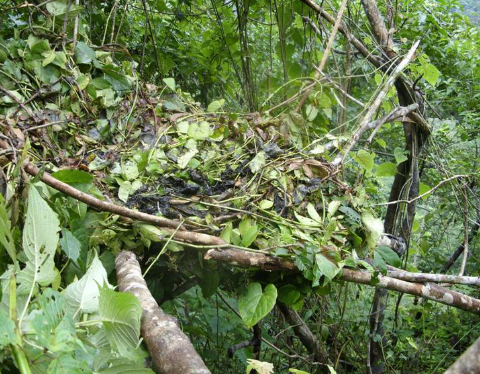
Gorillas are fascinating creatures, not only for their impressive size and strength but also for their social behaviors and living conditions. One of the most intriguing aspects of gorilla life is how they construct their nests. Understanding this process sheds light on their behaviors, environment, and the importance of conservation.
Creating Comfortable Homes
Gorillas typically build their nests in trees or on the ground before sleeping. These nests are crafted with a careful selection of leaves, branches, and other natural materials found in their environment. A silverback male, the dominant male in a group, often selects a nesting site that offers safety from predators and a comfortable resting place. The nests can vary in size and complexity depending on the individual gorilla and their habitat, showcasing their adaptability.
Nesting Behavior and Social Dynamics
The nesting process is not just a solitary affair; it reflects the social structure of gorilla groups. Adult females and young gorillas often build their nests close to one another, strengthening familial bonds and providing warmth. Gorillas are known to change their nests nightly, which minimizes the risk of attracting predators and maintains hygiene. Observing these behaviors can help researchers understand gorilla social structures, their communication methods, and their interactions within the group.
Environmental Impact on Nesting
The environment plays a crucial role in how gorillas make their nests. In the wild, the availability of specific plant materials influences their nest construction. For example, in denser forests, gorillas may opt for elevated nests to evade threats while enjoying optimal comfort. Changes in their habitat due to deforestation or climate change can lead to alterations in nest-building behaviors, which can affect their overall health and well-being. Conservation efforts focus on preserving gorilla habitats to ensure their nesting behaviors remain intact.
In conclusion, the way gorillas make nests provides valuable insight into their lives and the importance of their habitats. By studying these behaviors, we can promote better conservation strategies to protect these magnificent animals and their environments. If you’re interested in learning more about gorilla behavior or supporting wildlife conservation, consider exploring local conservation organizations or educational programs.