
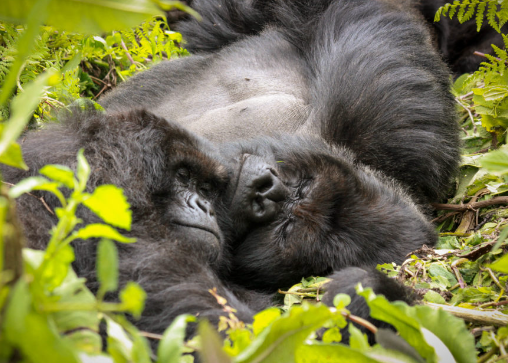
How Gorillas Sleep in the Wild: A Look into Their Habits
Gorillas, our close relatives in the animal kingdom, exhibit fascinating behaviors, especially when it comes to sleep. Understanding how these magnificent creatures slumber can deepen our appreciation for them and enhance conservation efforts. This article sheds light on gorillas’ sleeping habits in the wild, offering insights into their lives.
Where do Gorillas Sleep?
Gorillas prefer to sleep in nests they create in trees or on the ground. These nests are constructed from leaves, branches, and other natural materials, providing comfort and security. Arboreal nests offer protection from ground predators, while ground nests can be easier to build and more stable for larger gorilla groups. Typically, adult gorillas will use their own nests, and babies often snuggle close to their mothers, enhancing their sense of safety.
When do Gorillas Sleep?
Gorillas are primarily diurnal, which means they are most active during daylight hours. They spend a large part of their day foraging for food, grooming, and socializing. As the sun sets, they begin to wind down and prepare for sleep. Generally, gorillas sleep for about 12 hours each night, usually starting shortly after sunset. This routine aligns with their natural habitat, as many predators are more active at night, prompting gorillas to seek shelter and rest during these vulnerable hours.
How do Gorillas Prepare for Sleep?
Preparing for sleep is a ritual for gorillas. As evening approaches, they take time to find or construct a suitable nest, showcasing their intelligence and adaptability. Adult males, known as silverbacks, will often scout the area to ensure it is safe before allowing the group to settle down. The process of nest-building is social; females and young gorillas often observe and learn from the adults, ensuring that this crucial skill is passed down through generations. This behavior not only serves their need for a secure resting place but also fosters family bonds within the troop.
Conclusion
Learning about how gorillas sleep in the wild offers us a unique window into their lives and behaviors. By understanding their nesting habits, sleeping patterns, and preparation rituals, we can appreciate the complexities of their existence in the wild. If you are curious about gorilla conservation or wish to explore more about these incredible animals, delve deeper into their habitats and challenges. Every bit of knowledge contributes to their preservation and our connection to the natural world.