
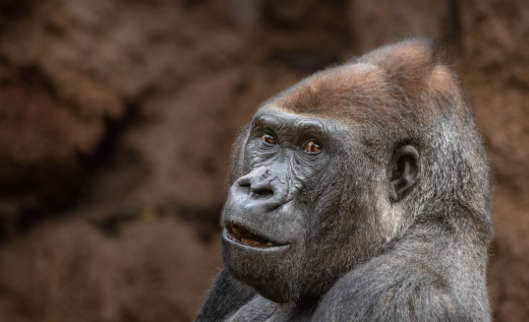
Gorillas in Captivity vs. the Wild: Understanding Their Lives
Gorillas are one of our closest relatives in the animal kingdom, sharing about 98% of their DNA with humans. Understanding the differences between gorillas in captivity and those in the wild is crucial for animal conservation efforts and for enhancing the welfare of these magnificent creatures. By shedding light on their living conditions, we can better appreciate the challenges they face and take steps toward their protection.
The Life of Gorillas in the Wild
Gorillas in their natural habitat experience a life that is rich in challenges and opportunities. They roam vast forests, climbing trees and foraging for various fruits, leaves, and stems. This lifestyle promotes physical fitness and social bonding, as wild gorillas travel in groups called troops, led by a dominant male known as a silverback. However, these gorillas face threats from habitat loss, poaching, and disease, making their survival increasingly precarious. Understanding these challenges can help us support conservation efforts aimed at protecting wild populations.
Gorillas in Captivity: The Pros and Cons
Captive gorillas typically reside in zoos and sanctuaries, where they receive regular food, medical care, and protection from predators. This controlled environment allows for scientific research and educational opportunities, helping raise awareness about gorilla conservation. However, captivity comes with drawbacks; the gorillas may suffer from boredom, lack of physical exercise, and limited social interactions compared to their wild counterparts. Enrichment programs are essential to promote mental health, but the experience can never entirely replicate a wild gorilla’s life.
Conservation Efforts: Bridging the Gap Between Two Worlds
As we examine the lives of gorillas both in captivity and in the wild, it’s essential to recognize the role of conservation efforts. Various organizations are working tirelessly to protect wild gorilla populations through habitat preservation, anti-poaching initiatives, and rehabilitation programs for those rescued from captivity. Zoos are also becoming more involved by contributing funds and expertise to in-situ conservation projects. By supporting these efforts, we can work toward a brighter future for gorillas, ensuring they thrive in both environments.
In conclusion, understanding the differences between gorillas in captivity and the wild is crucial for their preservation. By learning more about their lives and the challenges they face, we can all play a part in conservation efforts. Whether through supporting a local zoo, donating to wildlife organizations, or simply spreading awareness, every action counts. Together, we can help ensure a future for these incredible beings.