
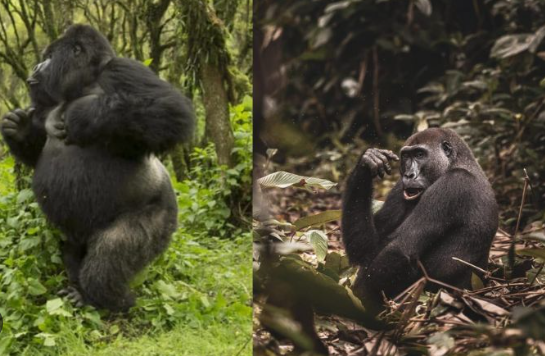
The Differences Between Mountain and Lowland Gorillas
Gorillas are fascinating creatures that play vital roles in their ecosystems. Understanding the differences between mountain and lowland gorillas is not only interesting but also crucial for conservation efforts. This article delves into the unique characteristics, habitats, and behaviors of these majestic primates.
Physical Characteristics of Gorillas
Mountain and lowland gorillas differ significantly in their physical features. Mountain gorillas are generally larger, with thicker, longer fur that helps them withstand colder climates. Their bodies are robust, with broader chests and larger hands and feet. Conversely, lowland gorillas have a sleeker appearance with shorter fur. They are typically smaller and more agile, adapted to the hot, humid environments of the tropical forests they inhabit. These physical differences not only help them survive in their respective habitats but also influence their social structures and behaviors.
Habitat and Distribution
The habitats of mountain and lowland gorillas are another key distinguishing factor. Mountain gorillas predominantly live in the higher altitudes of the Virunga Mountains in Central Africa. These regions are characterized by dense forests and steep terrains, which provide shelter from poachers and predators. In contrast, lowland gorillas are found in the dense rainforests of central and western Africa. Their habitats are rich in biodiversity, providing a variety of food sources, such as fruits, leaves, and stems. The differences in their habitats have a direct impact on their everyday life, including foraging behavior and social interaction.
Behavior and Social Structures
Mountain and lowland gorillas exhibit distinct social behaviors and structures influenced by their environments. Mountain gorillas tend to form smaller groups, often led by a dominant silverback male. These groups are generally more stable, focusing on nurturing bonds among members. On the other hand, lowland gorillas often live in larger, more fluid groups that can change in size and composition based on the availability of resources. This flexibility allows them to adapt to changes in their environment more easily. The social behaviors of each species reflect their adaptations to different ecological challenges and needs.
In conclusion, the differences between mountain and lowland gorillas highlight the incredible diversity within the gorilla species. Understanding these distinctions is essential for conservation efforts aimed at protecting their habitats and ensuring their survival. If you’re interested in learning more about these remarkable creatures and what you can do to help, consider visiting wildlife reserves or supporting organizations dedicated to gorilla conservation. Engaging with this topic not only enriches your knowledge but also fosters a deeper appreciation for our planet’s biodiversity.