
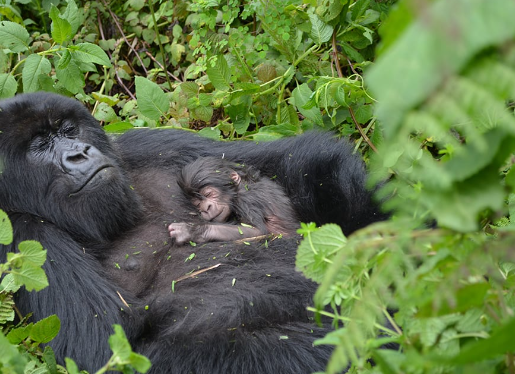
How Gorillas Care for Their Young
Gorillas are not just remarkable for their strength and size; they also display extraordinary nurturing behaviors towards their young. Understanding how these gentle giants care for their offspring can shed light on their intelligence and social structures, highlighting their close-knit family dynamics. This topic is not only fascinating but also essential for conservation efforts as we work to protect these magnificent creatures.
Bonding Through Touch and Communication
Gorilla mothers form deep emotional bonds with their babies through touch and vocalizations. From the moment a baby is born, nursing becomes a key element of their relationship; mothers often hold and cuddle their infants, providing warmth and comfort. The use of different vocal calls helps establish communication, allowing the mother to reassure and guide her young in a safe environment. This tactile and vocal connection lays the groundwork for strong attachments that last throughout the gorilla’s life.
Learning Through Observation and Play
Young gorillas learn important survival skills through observation and play, which are critical for their development. Mothers encourage playfulness, allowing infants to explore their surroundings safely. By watching their mothers and older siblings, babies acquire skills such as foraging and climbing, essential for their future independence. This playful learning not only fosters physical development but also enhances social skills, teaching young gorillas how to interact with others in their group.
Protection and Guidance in the Social Structure
In gorilla troops, the entire group plays a role in caring for the young. Silverbacks and other females often take on protective roles, ensuring the safety of the infants from potential threats. Mothers are vigilant and can often be seen positioning themselves strategically to guard their young. Additionally, older siblings and other troop members engage with the infants, providing support and helping them navigate their complex social environment. This communal approach strengthens social bonds and creates a nurturing atmosphere for the young gorillas to thrive.
In conclusion, the way gorillas care for their young is a beautiful testament to their complex social structures and emotional depth. By understanding these behaviors, we not only gain insight into gorilla life but can also advocate for their conservation. If you’re interested in learning more about gorillas and their fascinating behaviors, consider visiting a local zoo or wildlife sanctuary where you can see these incredible animals in action. Each step towards understanding and awareness brings us closer to ensuring their continued existence.