
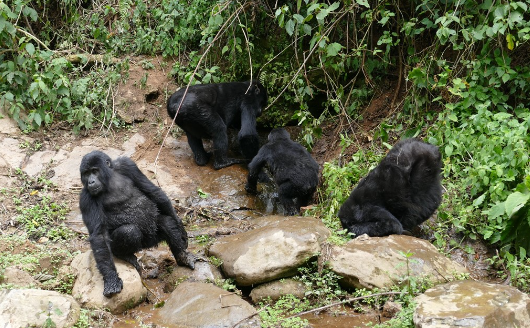
Gorillas and Environmental Change: Understanding the Impact
The plight of gorillas in the face of environmental change is a pressing issue that deserves our attention. As one of the closest relatives to humans, gorillas play a vital role in their ecosystems. However, habitat loss, climate change, and human activities threaten their survival. This article explores the challenges gorillas face and what we can do to help them.
The Effects of Climate Change on Gorilla Habitats
Climate change significantly impacts the environments where gorillas live. Rising temperatures and altered rainfall patterns lead to changes in food availability and habitat conditions. For instance, in regions like the Congo Basin, shifts in climate can reduce the diversity of plant life, which is crucial for gorillas’ diets. These changes not only threaten gorilla populations but also disrupt the delicate balance of their ecosystems, potentially leading to increased conflicts with humans as gorillas search for food.
Habitat Loss and Its Consequences
Deforestation for agriculture, logging, and urban development has led to significant habitat loss for gorillas. As their natural homes disappear, gorillas are forced into smaller and fragmented areas, leading to inbreeding and increased vulnerability to diseases. This isolation can also heighten human-wildlife conflicts, as gorillas may venture into villages in search of food. Protecting their habitats through conservation initiatives and sustainable practices is vital to preserving both gorilla populations and the broader ecosystem they inhabit.
Community Involvement in Conservation
One of the most effective ways to protect gorillas is through community engagement. Local communities can play a crucial role in conservation efforts by participating in eco-tourism, sustainable agriculture, and tree-planting initiatives. Educating residents about the importance of gorillas and their habitats fosters a sense of stewardship and encourages sustainable practices. By integrating local knowledge and needs into conservation strategies, we create a supportive environment that benefits both people and gorillas.
In conclusion, understanding the link between gorillas and environmental change is essential for fostering a sustainable future. By being informed and taking action, we can help protect these magnificent creatures and their habitats. Consider learning more about conservation initiatives, supporting ethical eco-tourism, or even volunteering for local programs. Together, we can make a difference for gorillas and our planet.