
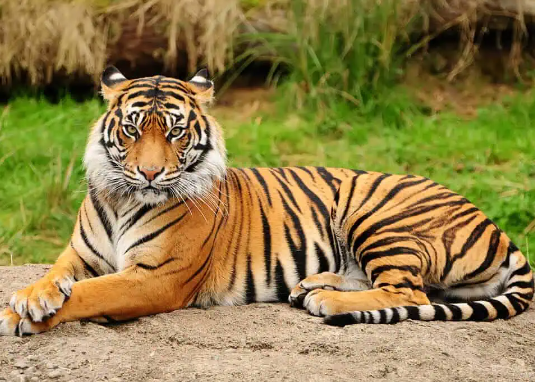
Bengal Tigers: Majestic Creatures of the Wild
Bengal tigers are not only one of the most iconic big cats but also a vital part of their ecosystem. Their beauty and powerful presence inspire awe and admiration, while their rapidly declining numbers serve as a call to action for wildlife conservation. This article explores the fascinating world of Bengal tigers, shedding light on their habitats, behaviors, and conservation efforts.
The Habitat of Bengal Tigers
Bengal tigers primarily roam the forests and grasslands of India, Bangladesh, Nepal, and Bhutan. They thrive in a variety of habitats, including tropical rainforests, dense mangroves, and even the dry forests of central India. These diverse environments provide essential resources such as prey, water, and shelter. However, as human encroachment continues to expand, the natural habitats of these majestic animals are increasingly threatened. This has forced many Bengal tigers into smaller, fragmented areas, impacting their population and breeding.
Understanding Their Behavior
Bengal tigers are solitary animals, which means they prefer to live and hunt alone rather than in groups. They are masterful hunters, primarily preying on deer, wild boar, and other large mammals. Tigers are also known for their stealth and strength, using their striped coats to blend into the surrounding environment while stalking prey. Their impressive strength allows them to take down animals much larger than themselves, showcasing their role as apex predators in the food chain. While they are formidable hunters, Bengal tigers also exhibit playful behavior, especially young cubs who enjoy climbing trees and engaging in mock hunts to develop their skills.
Conservation Efforts to Protect Bengal Tigers
The plight of the Bengal tiger has prompted numerous conservation initiatives aimed at protecting their populations and habitats. National parks and wildlife reserves, such as Jim Corbett National Park and Sundarbans, play a crucial role in their preservation. These protected areas not only provide a safe haven for tigers but also support diverse ecosystems. Organizations worldwide are working to combat poaching and habitat destruction through stricter laws and awareness programs. Community involvement is also essential, as educating local populations about the importance of Bengal tigers can lead to collaborative conservation efforts. Through combined global efforts, there is hope for the future of these magnificent creatures.
In Closing
Bengal tigers captivate us with their grace and strength, but they also remind us of the urgent need for conservation. Protecting their habitats and raising awareness about their plight are vital steps we can all take to contribute to their survival. If you’re inspired by these incredible animals, consider supporting wildlife conservation organizations or visiting national parks to learn more. Together, we can help ensure that future generations have the chance to admire Bengal tigers in the wild.