
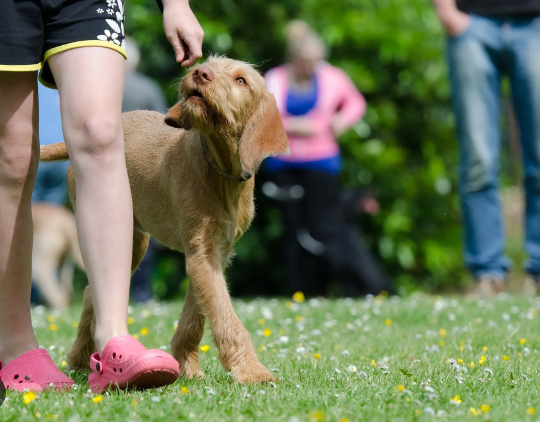
Rescuing stray dogs can be a challenging yet rewarding experience, especially when implementing effective training methods. One approach that has proven beneficial in these situations is positive reinforcement. This method not only aids in training but also builds a trusting bond between rescuers and dogs.
1. Understanding Positive Reinforcement
Positive reinforcement is a training technique that focuses on rewarding desired behaviors instead of punishing undesirable behaviors. For stray dogs, who may have experienced trauma or neglect, a kind approach can significantly reduce anxiety and build trust. Instead of using fear or harsh methods, providing a treat, praise, or playtime when dogs display good behavior offers a safer, more effective path towards training.
For instance, if a rescued dog sits on command, immediately rewarding them with a treat teaches the dog that this action leads to positive outcomes. Over time, the dog associates sitting with receiving rewards, thus repeating the behavior. This technique aligns well with the psychological concept that animals are more likely to repeat behaviors that result in positive experiences.
-
- Use treats that are highly valued by the dog.
-
- Be consistent with commands and rewards.
-
- Keep training sessions short and engaging.
-
- Make sure to reward immediately after the desired behavior.
-
- Combine verbal praise with physical affection.
2. Building Trust Through Positive Relationships
Building trust is essential when working with stray dogs, as they often approach people with caution due to previous negative experiences. Positive reinforcement encourages dogs to view humans as allies, not threats. When rescuers consistently use treats and praise, dogs are more likely to approach, engage, and perform desired behaviors, creating a solid foundation for a reliable and loving pet.
An example of this is using a gentle approach when a dog is hesitant to come closer. By calling their name in a cheerful tone and tossing some treats on the ground, you communicate safety. Over time, as the dog grows more comfortable and begins to approach for treats, you’ll notice a shift in their demeanor—indicating that trust is building.
-
- Start with low-value treats to gauge interest.
-
- Use calm body language, avoiding sudden movements.
-
- Gradually introduce more rewarding experiences.
-
- Always respect the dog’s space if they seem fearful.
-
- Be patient; trust can take time to develop.
3. Enhancing Learning with Fun Activities
Incorporating fun activities into the training process not only makes learning enjoyable for the dog but also reinforces their bond with humans. Engaging in games such as fetch or hide-and-seek can enhance their ability to learn commands while also fostering a sense of playfulness. Positive reinforcement during these activities encourages dogs to be more eager learners, boosting their overall training experience.
For example, when playing fetch, rewarding the dog with treats each time they bring the ball back can enhance their excitement about participating in the game. Similarly, when they follow a command during play, delivering a reward fosters an association between fun activities and obedient behavior. Thus, incorporating play into training helps create a holistic learning environment.
-
- Mix training sessions with playtime for balance.
-
- Use toys that are both fun and disposable.
-
- Incorporate different commands during games.
-
- Celebrate small successes with enthusiasm.
-
- Rotate activities to keep the dog engaged.
4. Creating a Routine to Reinforce Learning
Establishing a consistent routine can greatly enhance the effectiveness of positive reinforcement in stray dog rescue. Dogs thrive on predictability, and regular training sessions help them know what to expect from their environment. A routine gives them a structured schedule for feeding, play, and training, ultimately helping them learn more effectively and feel more secure.
For instance, designating specific times for training can make the process smoother. If your dog knows that every morning at 10 AM is training time, they are more likely to be mentally prepared for learning. Keeping training consistent—such as going over commands at the same time each day—further reinforces the teachings and helps solidify the desired behaviors.
-
- Schedule training at the same time daily.
-
- Use a clear and consistent set of commands.
-
- Incorporate short training bursts throughout the day.
-
- Set realistic goals for each session.
-
- Track progress for a sense of achievement.
5. Monitoring and Adjusting Techniques
Finally, monitoring the dog’s reactions and adjusting techniques as needed is crucial to successful training through positive reinforcement. Dogs, like humans, have individual personalities and learning styles. A tactic effective for one dog may not resonate with another, so it’s essential to remain flexible and observant.
This involves paying close attention to their body language and reactions during training sessions. If a dog seems disinterested or fearful, it may indicate that the training method or environment needs to change. By being adaptive and willing to modify techniques, you create a more effective and enjoyable training experience for both you and the dog.
-
- Observe the dog’s cues for signs of stress or excitement.
-
- Try varying treats or rewards to see which engage them best.
-
- Adjust the difficulty level of tasks based on their learning pace.
-
- Encourage feedback from other dog trainers if possible.
-
- Remain positive, even if progress is slow.
In conclusion, positive reinforcement is a powerful tool for anyone involved in stray dog rescue. By focusing on rewarding good behavior, building trust, and creating enjoyable learning experiences, you can transform the lives of these dogs while fostering a loving relationship. Consider applying these techniques in your rescue efforts to truly make a difference—both for the dogs and for yourself. Your journey is just beginning!