
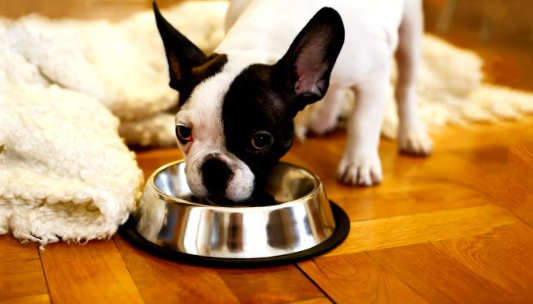
Bringing a newly rescued stray dog into your home is a rewarding experience, but it comes with unique challenges, especially when it comes to feeding. Understanding what to feed your new furry friend is crucial for their health and adjustment to their new environment. Here are some important tips to ensure your dog gets the nutrition they need.
1. Assessing Your Dog’s Condition
Before deciding on a meal plan, it’s essential to assess your dog’s overall condition. Stray dogs can vary significantly in health; some may be underweight, while others could have skin issues or digestive problems. A visit to a veterinarian is crucial to determine any special dietary needs or restrictions that may exist.
During your vet visit, make sure to discuss any specific concerns such as allergies, existing health conditions, or the dog’s age. Puppies and senior dogs will have different nutritional requirements that need to be addressed immediately. Once you have a baseline understanding, you can begin formulating a feeding plan that accommodates their unique needs.
-
- Schedule a vet appointment as soon as possible.
-
- Bring any known history of the dog, if possible.
-
- Ask the vet about a basic nutritional plan.
-
- Record any observed habits like eating behavior or preferences.
2. Choosing Between Dry and Wet Food
Deciding between dry kibble and wet food can be a daunting task. Dry dog food tends to be more convenient and cost-effective, typically offering balanced nutrition in compact servings. High-quality kibble includes the necessary vitamins and minerals a dog needs. Plus, the crunchy texture helps in maintaining dental health.
On the other hand, wet food can be more appealing for a dog that has been on the streets, especially if they’re not used to regular meals. Wet food is usually higher in moisture, which can aid in hydration, and it’s often easier to chew for a dog with dental concerns. You may even consider mixing both types to enhance taste and nutrition.
-
- Research and select high-quality brands that list meat as the first ingredient.
-
- Don’t solely rely on generic brands; they may lack essential nutrients.
-
- Consider mixing dry and wet food to increase variety.
-
- Gradually introduce any new food to avoid digestive complications.
3. Establishing a Feeding Routine
Creating a consistent feeding routine can help your newly rescued dog feel secure in their new environment. Dogs thrive on routine, and having set meal times can alleviate anxiety. Generally, adult dogs are fed twice a day, while puppies may require three to four meals until they are about six months old.
When establishing a feeding schedule, choose specific times during the day and stick to them as closely as possible. This consistency helps your dog learn when to expect food and can also aid in house training. Make sure to provide fresh water at all times; hydration is just as crucial as nutrition.
-
- Feed your dog at the same times every day.
-
- Use a designated eating area to help them understand mealtime.
-
- Limit access to food between meals to help them adapt.
-
- Monitor portion sizes according to vet advice.
4. Monitoring for Allergies or Sensitivities
As you settle into a routine, keep an eye on your dog for any signs of food allergies or sensitivities. Symptoms may manifest as excessive scratching, vomiting, or diarrhea shortly after eating. Common allergens include beef, chicken, dairy, wheat, soy, and corn. Transitioning to a limited-ingredient diet could help determine which foods are safe.
If you suspect your dog has a food allergy, consult with your veterinarian for advice on an elimination diet. This process requires you to isolate potential allergens, feeding your dog a single protein and carbohydrate source for several weeks to see if symptoms improve. Keep a journal of your dog’s reactions for further monitoring.
-
- Document any changes in behavior or health in a journal.
-
- If noted, bring symptoms to your vet’s attention.
-
- Avoid changing foods frequently; consistency is key.
-
- Consider grain-free or hypoallergenic options if needed.
Feeding a newly rescued stray dog requires patience, observation, and flexibility. By monitoring their health and establishing a routine, you set the stage for a smooth transition into their new life with you. Consult your veterinarian for a tailored approach to your dog’s specific needs, and enjoy this new journey together!