
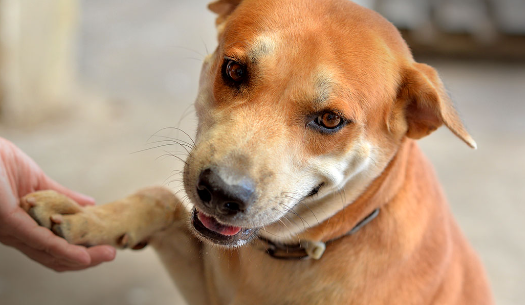
Creating an engaging and informative adoption profile for a rescued stray dog is essential for attracting potential adopters. A well-crafted profile conveys the dog’s unique personality and needs, making it easier for someone to envision them as part of their family.
1. Describing the Dog’s Personality
The personality of a rescued stray dog plays a crucial role in finding them a suitable home. Potential adopters want to know if the dog is playful, shy, or maybe a bit quirky. Describing their behavior in different scenarios—like how they interact with adults, children, or other animals—can provide a clearer picture of their temperament. For example, if the dog loves playing fetch at the park but tends to hide when experiencing loud noises, make sure to highlight that contrast.
Additionally, incorporating anecdotes can humanize the dog, making them relatable. If your stray has a favorite toy they carry everywhere or loves snuggling on the couch, these tidbits offer insight into their daily life. Capture their charm and quirks in such a way that makes potential adopters think, “I can totally see us having adventures together!”
-
- Use descriptive language to showcase their personality.
-
- Include anecdotes that illustrate their behaviors.
-
- Be honest about their quirks and wishes.
-
- Make sure to mention how they behave in various environments.
2. Highlighting Health and Training Needs
Providing information about the dog’s health and training needs is vital for transparency. If the dog has received any vaccinations, been neutered, or has ongoing health requirements, clearly state this information. If the dog is a bit older and requires special diet considerations, mention that as well. Being upfront about these factors can save both the potential adopter and the rescue organization time and energy.
Additionally, note if the dog has any behavioral training or if further training is recommended. For instance, if the dog is still learning basic commands or has issues with house training, including this helps set realistic expectations. Offering guidance on how to address these issues can also be a helpful addition.
-
- Outline the dog’s vaccination and health status.
-
- Identify any behavioral training needs.
-
- Provide tips for ongoing training and acclimation.
-
- Offer suggestions for dietary or special care requirements.
3. Capturing Their Best Features
High-quality photos are crucial for grabbing attention in an adoption profile. Choose images that showcase the dog’s personality; candid shots during playtime or a comforting moment during a quiet time can convey their charm. Ensure the photos are taken in good lighting, ideally in a setting that feels warm and inviting, and avoid overly staged images that don’t reflect real life.
Besides photographs, consider incorporating a short video. A brief clip of the dog playing, walking, or engaging with people can provide valuable insights that static images can’t. Videos allow potential adopters to gauge the dog’s energy level and quirks, making it easier to form an emotional connection.
-
- Use high-resolution images with good lighting.
-
- Show the dog in various settings, from play to calm moments.
-
- Consider adding a brief video showcasing their personality.
-
- Avoid overly posed or artificial pictures.
In summary, a well-rounded adoption profile for a rescued stray dog should be rich in personality, health, and compelling visuals. By focusing on what makes the dog unique, you’re not just helping them find a home; you’re creating a narrative that connects the dog with potential adopters emotionally. Take the time to present the best version of your furry friend, and you’ll likely see greater interest in their adoption. Connecting with someone on a personal level is the key to finding them the perfect forever home!