
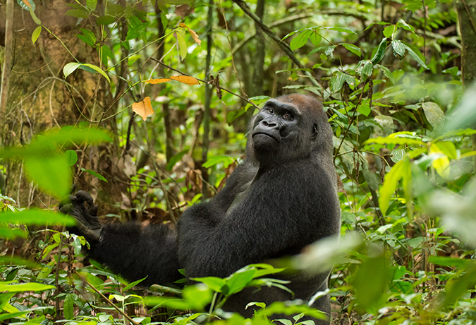
The Habitat of Western Lowland Gorillas
Understanding the habitat of Western Lowland Gorillas is crucial to conserving these magnificent creatures. As one of the most endangered primates on the planet, their forest environment is essential not only for their survival but also for the rich biodiversity it supports. Learning more about their habitat can inspire efforts to help protect these vital ecosystems.
Natural Rainforest Abodes
Western Lowland Gorillas primarily inhabit the lush, dense rainforests of Central Africa. These regions are characterized by a variety of trees, thick underbrush, and abundant vegetation, providing ample food and shelter. The gorillas often prefer lowland areas, where they can find roots, fruits, and leaves to sustain their herbivorous diet. The complexity of this ecosystem offers them numerous hiding spots from potential predators and generates a stable microclimate, making it an ideal home for both the gorillas and many other species.
Seasonal Changes and Adaptations
The habitat of Western Lowland Gorillas experiences seasonal shifts that impact their behavior and movement patterns. During the wet season, food sources are plentiful, and gorilla groups are more likely to stay in one area. In contrast, the dry season prompts them to roam further in search of sustenance. This adaptability showcases the gorillas’ remarkable resilience, but it also highlights the vulnerability of their habitat to climate change and human activity. Protecting these areas is crucial for ensuring that they can continue to thrive year-round.
Threats and Conservation Efforts
Despite the rich environment, Western Lowland Gorillas face significant threats. Deforestation, poaching, and disease have severely impacted their populations. Conservation organizations are actively working to preserve their habitats through reforestation initiatives and protected reserves. Community education is also vital, as local populations can play a significant role in safeguarding gorilla habitats. By raising awareness about the importance of these animals and their ecosystems, we can foster a collective responsibility to ensure their survival.
In conclusion, the habitat of Western Lowland Gorillas is a uniquely complex ecosystem that deserves our attention and protection. By learning about their living conditions and the challenges they face, we can take meaningful steps toward conservation. We encourage you to dive deeper into this topic and explore ways to support gorilla conservation efforts in your community. Together, we can make a difference for these incredible creatures and their habitats.