
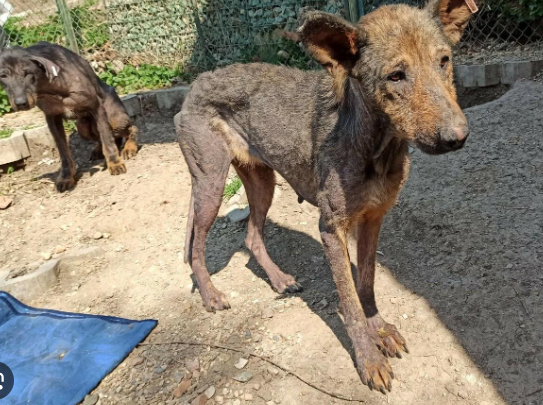
Rescuing stray dogs can be a rewarding experience, but it also comes with its challenges, particularly when it comes to skin issues. These dogs often face various skin problems due to a lack of proper care, nutrition, and exposure to harmful environmental factors.
1. Allergies and Skin Irritations
Stray dogs frequently suffer from allergies, which can manifest as itchy skin, red patches, and excessive scratching. These allergies can be caused by environmental factors such as pollen, dust mites, or even food ingredients. Some dogs may develop sensitivities to common dog food proteins like beef or chicken, leading to uncomfortable skin flare-ups. Not only do these allergies affect the dog’s wellbeing, but they also make them more susceptible to secondary infections.
Caring for a rescued dog with skin allergies involves identifying triggers and providing suitable treatments. Regular baths with hypoallergenic dog shampoo can help soothe irritated skin, while a special diet may be required if food allergies are suspected. It’s advisable to consult a veterinarian to perform allergy testing and recommend appropriate treatments.
-
- Identify potential allergens in the dog’s environment.
-
- Use hypoallergenic shampoos for bathing.
-
- Consider a limited-ingredient diet if food allergies are suspected.
-
- Monitor for signs of infection such as swelling or discharge.
2. Parasites and Their Impact
Fleas, ticks, and mites are common parasites that stray dogs often carry. These parasites can cause severe skin irritation and discomfort, leading to conditions like hotspots, which are localized areas of inflamed skin that can become infected. Fleas are particularly notorious for their ability to reproduce quickly; a single flea can turn into hundreds in a short period, making it essential to tackle the issue as soon as it’s noticed.
To effectively manage and prevent parasitic infestations, regular veterinary check-ups are essential. Vets can provide treatments like topical solutions or oral medications that help eliminate these parasites. Additionally, maintaining a clean environment and taking preventive measures such as flea collars can help keep these nuisances at bay.
-
- Schedule regular vet appointments for parasite control.
-
- Use veterinarian-recommended flea and tick preventatives.
-
- Regularly wash the dog’s bedding and living area.
-
- Check the dog regularly for signs of fleas or ticks.
3. Hotspots and Infections
Hotspots are another prevalent issue in rescued dogs, often arising from allergies, poor grooming, or parasite infestations. These are painful, inflamed patches of skin that can spread rapidly if not treated promptly. In many cases, dogs will scratch or bite at the affected area, which leads to further irritation and the potential for bacterial infection.
Treating hotspots typically involves cleaning the area, applying topical antibiotics, and sometimes using cones to prevent the dog from aggravating the condition. Regular grooming is also essential, as a clean coat can help minimize the occurrence of hotspots. If a hotspot worsens or fails to improve, it’s critical to seek veterinary care.
-
- Always clean and dry the hotspot area to prevent infection.
-
- Consult a vet for appropriate topical treatments.
-
- Consider using an Elizabethan cone to prevent further irritation.
-
- Maintain a regular grooming routine to minimize tangles and infections.
In conclusion, while rescuing a stray dog can be fulfilling, be prepared to deal with skin issues that might arise. Regular veterinary care, proper grooming, and a healthy diet can significantly enhance your dog’s quality of life. Always consult a professional if you notice unusual skin changes, and take proactive steps to keep your furry friend happy and healthy.