
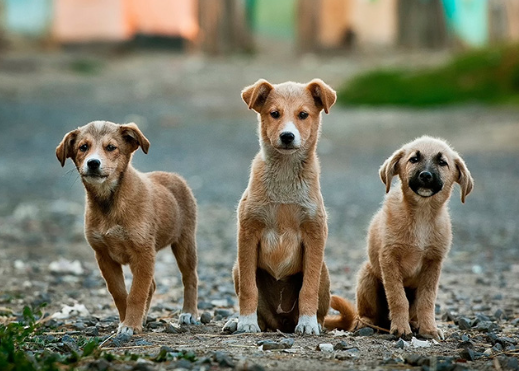
Stray dog rescue is a mission fueled by compassion and determination. Behind every rescued dog lies the tireless effort of volunteers who dedicate their time and energy to give these animals a second chance at life. This blog post explores how volunteers operate within different facets of stray dog rescue, ensuring that these dogs receive the care and love they deserve.
1. Volunteers in Rescue Operations
The first and foremost role of volunteers in stray dog rescue lies in the actual rescue operations. Many volunteers work closely with local rescue organizations, responding to calls about abandoned or injured dogs. These individuals may help catch stray dogs using humane traps, assist with coordinating rescue missions, and transport dogs to safety. Their presence on the ground ensures that no dog is left behind, especially during urgent situations.
In addition to physical rescues, volunteers often provide emotional support to the dogs. This may involve calming anxious stray dogs during the capture or providing comfort to scared and injured animals. Whenever possible, volunteers also document the conditions they find the dogs in to help raise awareness of the issues surrounding stray animal populations.
-
- Understand local animal control laws before participating in rescues.
-
- Communicate effectively with fellow volunteers and rescue organizations.
-
- Keep humane traps and rescue equipment on hand for emergencies.
-
- Document and report on the circumstances surrounding the rescue.
-
- Always prioritize safety for both animals and volunteers during rescue operations.
2. Foster Care Programs
Once a dog is rescued, the next step may often involve placing the animal in a foster home. Volunteers who open their homes to foster dogs play a vital role in the rescue process. Foster caregivers provide temporary shelter, food, and companionship to dogs before they are adopted into forever homes. This transition is crucial as it allows the dogs to experience a home environment, making them more adoptable when they are ready.
Fostering not only benefits the dogs but also supports the rescue organizations by freeing up space in overcrowded shelters. It enables these organizations to save more lives by providing a safe haven for the dogs until they can find permanent homes. Fostering allows volunteers to witness the transformation of these dogs, often providing invaluable reports about the dog’s behavior and personality, which aids in finding suitable adopters.
-
- Establish a quiet space for the fostered dog to ease their transition.
-
- Provide basic training and socialization to help the dog adapt.
-
- Communicate openly with the rescue organization about the dog’s needs.
-
- Attend adoption events to help promote your foster dog.
-
- Document progress and any challenges faced to share with potential adopters.
3. Community Outreach and Education
Volunteers often take the initiative to engage in community outreach and education to raise awareness about stray dog issues. These efforts include organizing educational events, workshops, and informational campaigns aimed at promoting responsible pet ownership and sterilization. By informing the community about the importance of spaying and neutering pets, volunteers help prevent the overpopulation of stray dogs.
Moreover, these outreach programs often inspire local residents to become active participants in the rescue efforts. Whether it’s fostering dogs, adopting, or simply spreading the word, community involvement can significantly impact the stray dog population. Volunteers utilize social media platforms, flyers, and community bulletin boards to share success stories and information about adoption events, helping to bring more people into the fold.
-
- Create informative materials about stray dog care and prevention.
-
- Host community events to engage with the public about dog rescue.
-
- Use social media effectively to promote campaigns and awareness.
-
- Encourage local pet owners to participate in spay/neuter programs.
-
- Partner with local businesses for sponsorship or support.
Volunteers are the heart of stray dog rescue, exemplifying compassion and dedication in every action. Their collective efforts not only save lives but also foster a sense of community and shared responsibility. If you feel inspired to contribute, consider reaching out to a local rescue organization and explore how you can help!