
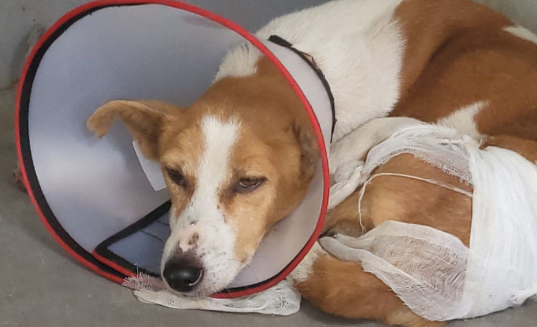
Finding an injured stray dog can be an overwhelming experience, filled with uncertainty and concern for the animal’s well-being. Knowing how to safely and effectively assist the dog is crucial to ensuring it receives the help it needs. In this guide, we’ll walk through the steps you can take to rescue an injured stray dog, from initial assessments to finding proper care.
1. Assess the Situation
The first step in rescuing an injured stray dog is to assess the situation carefully. Observe from a distance to gauge the dog’s condition. Look for visible injuries, such as bleeding wounds or limping, and check for other signs of distress like excessive barking or growling. Understanding the dog’s demeanor is essential; some injured dogs may be scared and aggressive, while others may appear calm and in need of assistance.
Once you have a general idea of the dog’s condition, approach cautiously. Speak softly to avoid startling the dog, and keep your body language relaxed. If the dog appears too frightened or aggressive, it might be best to wait for professional assistance from animal control or a local rescue organization. Your safety should always come first.
-
- Observe the dog from a distance for a few minutes.
-
- Look for visible injuries or signs of distress.
-
- Gauge the dog’s mood to determine the best approach.
-
- Consider your safety and the safety of others nearby.
2. Secure the Dog Safely
If the dog appears calm or manageable, the next step is to secure it safely. Use a leash if you have one, or you can utilize a makeshift leash from a belt or fabric. Be gentle and avoid sudden movements that might startle the dog further. If the dog is injured but approachable, try to coax it with food or treats, keeping in mind that some animals may not eat when stressed.
In case the dog is too injured or frightened to move, create a safe space around it. Use your body as a barrier to keep people and other animals away. If possible, place a blanket or towel over the dog to provide comfort. This can help calm the dog and make it easier for you to assess its injuries without causing additional stress.
-
- Use a leash or make a makeshift leash if necessary.
-
- Gently coax the dog with food or treats.
-
- Keep a safe distance from other people and pets.
-
- Consider placing a blanket over the dog for comfort.
3. Provide First Aid When Possible
Once you have secured the injured dog, assess its injuries and administer basic first aid if you feel comfortable. If there are any visible wounds, clean the area gently with water or saline solution—but avoid applying any ointments or medication without guidance from a vet. Make sure to keep the dog as calm as possible during this process; the aim is to stabilize its condition until professional help arrives.
If the dog has a severe injury, such as a broken limb or deep cut, do not attempt to manipulate the area. Instead, keep the dog still and avoid unnecessary movement. Cover the dog with a comfort blanket and keep it warm while you wait for help. Remember to observe any changes in the dog’s breathing, alertness, or behavior, as these can provide important information to the veterinarian later.
-
- Assess visible wounds; clean gently with water or saline.
-
- Avoid applying ointments or medications without a vet’s advice.
-
- Keep the dog calm to prevent further injury.
-
- Monitor the dog’s breathing and behavior for changes.
4. Contact Professionals for Help
After ensuring the dog is as comfortable as possible, it’s time to contact professionals for help. This could be your local animal control, a nearby animal shelter, or a veterinary clinic. Explain the situation clearly, including the dog’s condition and behavior, so they can prepare the necessary support. Be sure to provide your location, and stay with the dog until help arrives.
If you’re in a remote area or outside of regular animal control hours, consider reaching out to local animal rescue organizations or veterinarians who may offer emergency services. Many communities also have resources available for stray animals, so don’t hesitate to ask for assistance. Remember, the sooner you involve professionals, the better the outcome for the injured dog.
-
- Contact local animal control or shelters for help.
-
- Provide a clear description of the dog’s condition.
-
- Stay with the dog until help arrives.
-
- Ask about emergency services if in a remote area.
5. Consider Long-term Solutions
Once the injured dog is in the hands of professionals, think about long-term solutions. If you are in a position to adopt, consider bringing the dog into your home after it recovers. Many strays end up in shelters but can thrive in loving environments. Alternatively, if you cannot adopt, look into fostering or supporting local rescue organizations that help stray animals.
Engaging with the community can also aid in addressing the stray dog issue. Participate in local initiatives focused on spaying and neutering programs, or volunteer your time to help with animal care and adoption events. Each action can contribute to creating a safer environment for stray animals and enhancing their chances of finding a forever home.
-
- Consider adopting if you’re able to provide a home for the dog.
-
- Look into fostering or supporting local rescues.
-
- Get involved in community initiatives related to stray animals.
-
- Promote spaying and neutering programs to prevent future strays.
Rescuing an injured stray dog takes courage, compassion, and a clear plan of action. By following these steps, you can significantly impact the dog’s chances of recovery and provide a better life in the future. Remember to consult professionals and consider your community’s needs to continue helping strays long after this immediate rescue.