
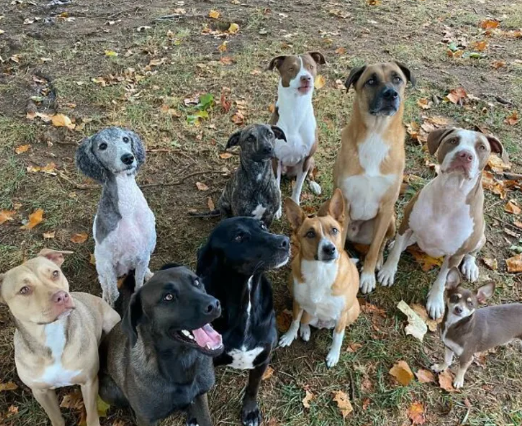
Matching a rescued stray dog with the right family is crucial for both the dog’s well-being and the family’s happiness. The process can be challenging but incredibly rewarding. Here are some key guidelines to ensure you find the best fit.
1. Assessing the Dog’s Temperament
Understanding a dog’s temperament is essential in matching it with a proper family. Spend time observing how the dog interacts with different people and environments. For instance, a dog that is shy and reserved may do better in a calm household, while a more outgoing dog may thrive in a bustling family with kids. Spend several days getting to know your rescued canine before selecting a family.
You may want to consider conducting temperament tests. Simple activities like introducing various sounds, having people approach, or encouraging play can help gauge how the dog reacts to different stimuli. This will inform you whether the dog would prefer a quiet environment or seek stimulation through play and activity.
-
- Observe the dog’s reactions to different environments.
-
- Take note of how it behaves with adults, children, and other pets.
-
- Conduct temperament tests to understand its social behaviors.
-
- Document behaviors like fear, aggression, or affection.
2. Understanding Family Dynamics
A family’s dynamics play a significant role in finding the right match for a stray dog. It’s essential to assess the family’s lifestyle, including their activity level, work schedules, and ideal dog size. For instance, an active family might benefit from a high-energy breed that requires regular exercise, while a family with young children might prefer a dog that is gentle and patient.
It’s also crucial to involve all family members in the decision-making process. Dogs often bond with the entire family, so everyone should feel comfortable and confident in their new furry friend. Consider doing meet-and-greets where potential adopters interact with the dog, ensuring mutual compatibility before making a final decision.
-
- Evaluate the family’s schedule and activity level.
-
- Ensure all family members meet the dog before the adoption.
-
- Discuss any allergies or phobias related to dogs.
-
- Focus on the family’s size and preferences regarding dog size and breed.
3. Setting Up for a Successful Transition
Ensuring a smooth transition into a new home is essential for both the dog and the family. This includes preparing the home with necessary supplies like food, water bowls, a comfortable bed, toys, and grooming products. Creating a designated space for the dog can also help them feel secure and relaxed during the initial adjustment period.
Additionally, setting realistic expectations is vital. It can take time for a rescued dog to trust its new family and environment. Patience is key, so be prepared for challenges like house training or separation anxiety. Having a plan in place will make the transition smoother for everyone involved.
-
- Prepare the home with the necessary supplies before bringing the dog home.
-
- Create a designated space where the dog can feel comfortable.
-
- Be patient and allow the dog time to adjust.
-
- Establish a routine to help the dog feel secure.
Matching a rescued stray dog with the right family is a rewarding endeavor that requires thoughtful consideration and preparation. By assessing the dog’s temperament, evaluating family dynamics, and planning for a smooth transition, you create the best chance of a happy and harmonious relationship. Take the next step by consulting with a local shelter or rescue organization to begin this fulfilling journey.