
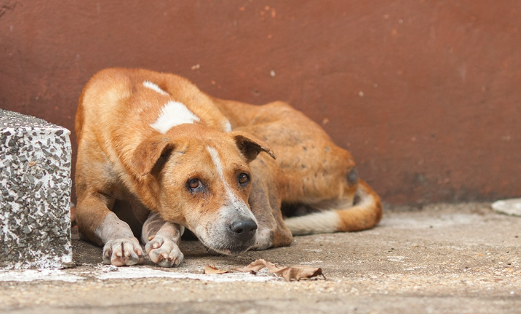
Helping malnourished dogs in stray dog rescue can be a deeply rewarding experience, but it also presents a unique set of challenges. These animals often require specialized care and attention to regain their health and well-being.
1. Assessing the Dog’s Condition
The first step in helping a malnourished dog is to assess its condition properly. Look for physical signs of malnutrition, such as rib visibility, lack of muscle mass, and dull fur. Pay attention to energy levels; a severely malnourished dog may display lethargy and a lack of interest in exploring its environment. Knowing the severity of the malnutrition will inform your next steps.
Consider conducting a basic health check or even getting the dog evaluated by a veterinarian. A vet can provide insights into the dog’s nutritional needs and any underlying medical issues that may complicate its recovery. This initial assessment will lay the groundwork for creating a tailored nutrition plan to help the dog regain its strength.
-
- Check for physical signs like rib visibility and energy levels.
-
- Consult a veterinarian for a professional evaluation.
-
- Note any existing behavioral issues that may need addressing.
-
- Take photos to monitor progress over time.
2. Creating a Nutritional Plan
Once you’ve assessed the dog’s condition, the next step is to create a nutritional plan. This plan should focus on high-quality nutrition, which is crucial for recovery. Consider incorporating a mix of high-quality commercial dog food and natural options like chicken, rice, sweet potatoes, and vegetables. Gradually introducing new foods will help the dog adjust without overwhelming its stomach.
It’s essential to follow a feeding schedule that includes smaller, frequent meals to avoid complications like gastrointestinal upset. As the dog starts to regain its weight, you can adjust the food portions accordingly. Remember, patience is key during this process; gradual improvements are the goal, and overfeeding can lead to dangerous health issues.
-
- Mix high-quality commercial dog food with natural options.
-
- Introduce new foods gradually to avoid gastrointestinal issues.
-
- Set a consistent feeding schedule with smaller, frequent meals.
-
- Monitor the dog’s weight weekly to adjust portions as needed.
3. Providing Socialization and Enrichment
Malnourished dogs often come from traumatic backgrounds and may struggle with socialization. Once the dog’s physical health starts improving, it’s crucial to engage them socially and mentally. Introduce them to a safe, calm environment where they can meet other dogs and people. Positive reinforcement techniques can create a sense of security and help foster trust.
Offering enrichment activities is also important for their mental stimulation. Simple toys, puzzles, and gentle interactions can help alleviate anxiety and improve behavior. Incorporating obedience training can be beneficial, as it provides structure and encourages a bond between you and the dog.
-
- Create a safe environment for socialization with dogs and people.
-
- Use positive reinforcement techniques to build trust.
-
- Introduce toys and mental activities for enrichment.
-
- Teach basic commands to foster structure and bonding.
4. Tracking Progress and Adjusting Care
Monitoring the dog’s progress is crucial in the recovery process. Keep a journal documenting its physical health, behavior, and emotional well-being. Note any changes in weight, coat quality, and energy levels to better understand what works and what doesn’t. This information will be invaluable for veterinary consultations and will help adjust the care plan as needed.
Be prepared for setbacks. Recovery from malnutrition takes time, and not every day will be perfect. Regular check-ins with a veterinarian can offer additional guidance, ensuring the dog’s health remains a priority throughout its recovery journey. Maintaining an adaptable approach will lead to more successful outcomes.
-
- Keep a detailed journal of the dog’s progress.
-
- Document changes in weight, coat quality, and energy levels.
-
- Consult the veterinarian regularly for ongoing guidance.
-
- Stay patient and adaptable to ensure effective care.
Helping malnourished dogs in stray dog rescue can be an emotional but fulfilling endeavor. By assessing conditions accurately, creating a nutritional plan, facilitating socialization, and tracking progress, you can make a meaningful impact in their recovery journey. Join hands with professionals to ensure that these deserving animals find their way back to health and happiness.