
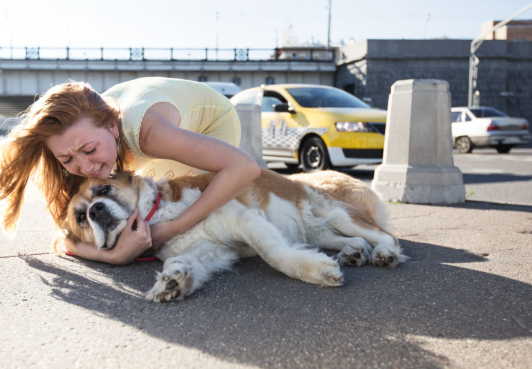
Helping a stray dog in traffic can be a daunting task, but with the right approach, you can make a positive difference in the dog’s life while ensuring your safety. Stray dogs may be frightened and unpredictable, especially in a busy environment. Here’s how to assist them effectively and safely.
1. Assessing the Situation
Before taking any action, it’s crucial to assess the situation carefully. Check the traffic conditions; if cars are speeding or there’s heavy congestion, it may not be safe to proceed immediately. Observe the dog’s behavior – is it calm or agitated? Knowing whether the dog is approachable will help determine your next steps.
Use caution and patience when you approach the dog. Standing still might help the dog feel more secure, as quick movements could startle it. If you’re with someone, have one person maintain a safe distance while the other positions themself correctly to offer help.
-
- Stop and assess the traffic conditions first.
-
- Observe the dog’s body language.
-
- Ensure you have a safe place to maneuver.
-
- Keep other pets or children away from the scene.
2. Approaching the Dog Carefully
When you’ve determined it’s safe to approach, do so slowly. Try crouching down to appear less intimidating. Use a gentle voice to call out your presence, but avoid sudden movements. Remember, stray dogs may have experienced trauma and could react defensively.
Your goal is to build trust. If the dog seems scared, extend your hand slowly, allowing it to sniff you. This gesture can establish rapport and may let the dog know that you mean no harm. Always be aware of the dog’s positioning relative to traffic; you don’t want to inadvertently lead it into danger.
-
- Move slowly and calmly toward the dog.
-
- Crouch down to reduce intimidation.
-
- Use a soft, soothing voice when speaking.
-
- Allow the dog to approach you first if it’s scared.
3. Securing the Dog Safely
Once you’ve successfully approached the dog, it’s vital to secure it to prevent it from running into traffic. If you have a leash, use it gently. If not, consider using a makeshift lead, such as a long cloth or belt, to keep the dog close to you.
If the dog is calm enough, place a collar gently around its neck. Make sure it’s not too tight, as this can cause discomfort or choking. After securing the dog, look for a nearby area to take it away from the traffic flow, such as a grassy spot or sidewalk.
-
- Use a leash or similar item to secure the dog.
-
- Keep the collar loose to avoid choking.
-
- Move the dog to a safer area without traffic.
-
- Keep your own safety in mind during the process.
4. Seeking Professional Help
After securing the dog, the next step is to seek professional help. This can be as simple as calling a local animal control or rescue organization. They have the expertise and resources to handle stray animals properly, including checkups and potential rehoming.
If you notice any injuries or signs of distress in the dog, inform the professionals you contact. Providing them with detailed information will aid in ensuring that the dog gets the appropriate treatment quickly. Even if the dog appears healthy, a vet check-up is advisable to identify any internal issues.
-
- Contact local animal control or rescue for assistance.
-
- Share detailed observations about the dog’s condition.
-
- Be ready to provide your location and any relevant information.
-
- Consider taking the dog to a vet if immediate care is needed.
5. Understanding Your Responsibilities
It’s essential to understand your responsibilities once you’ve helped a stray dog. Be aware that in many places, laws may require that if you take in a stray, you should check for identification and report the finding to authorities. This ensures that the dog can be returned to its rightful owner.
If you decide to keep the dog temporarily, be prepared for the costs associated with care, including food, vaccinations, and possibly spaying or neutering. Ensuring the dog’s well-being may open a rewarding avenue for you, but preparation is key.
-
- Understand local laws regarding stray animals.
-
- Check for any identification on the dog.
-
- Be prepared for potential care costs.
-
- Consider posting “found dog” notices online or in the neighborhood.
Helping a stray dog in traffic is a compassionate act, but it requires careful planning and action. By following these steps, you can ensure both your safety and that of the dog while making a difference in its life. Don’t hesitate to reach out to professionals who can help further!