
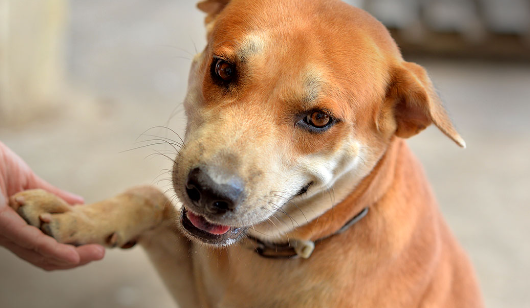
Bringing a rescued stray dog into your home is a rewarding experience, but it often comes with its own set of challenges. These dogs may have faced trauma, hunger, or fear, and as their new caregiver, your goal is to build a trusting relationship. This guide will provide practical steps to help you forge a strong bond with your rescued furry friend.
1. Create a Safe Space
The first step in building trust with your new dog is to create a safe and comfortable environment. This doesn’t just mean a warm bed and food; it’s also about establishing a space where your dog can feel secure. Choose a quiet area of your home, away from bustling activities, and furnish it with their bed, toys, and access to food and water. This sanctuary can be especially important for a stray who may react fearfully to loud noises or sudden movements.
Consider using a crate to provide a den-like setting, where your dog can retreat whenever they feel overwhelmed. Many dogs find comfort in a confined space that they can call their own, which can also aid with house training. Ensure that this space is off-limits to strangers, giving your dog the privacy they need to adjust at their own pace.
-
- Choose a quiet area for your dog’s space.
-
- Provide bedding, toys, and food within reach.
-
- Include a crate for a secure den-like feeling.
-
- Limit accessibility from strangers initially.
-
- Monitor their comfort level and adjust the space as needed.
2. Establish a Routine
Dogs thrive on routine, and establishing a consistent daily schedule can significantly help in building trust. Set specific times for feeding, walks, and play, as this predictability assures the dog that their needs will be met. Consistency not only helps your dog feel secure but also helps them learn what to expect, reducing anxiety related to sudden changes.
In addition to feeding and walking times, incorporate training sessions into your routine. Short, positive reinforcement training sessions can build your dog’s confidence and demonstrate that you are a reliable source of help and care. Regular interaction promotes bonding and allows your dog to learn to trust your commands over time.
-
- Set fixed times for feeding, walking, and training.
-
- Be consistent with commands and rewards.
-
- Introduce gradual changes to the routine if needed.
-
- Keep training sessions short but frequent.
-
- Utilize positive reinforcement like treats and praise.
3. Use Positive Reinforcement
Building trust requires patience, and positive reinforcement is one of the most effective methods. When training or interacting with your dog, focus on rewarding positive behavior rather than punishing mistakes. This approach is especially essential for rescued dogs who might associate humans with negative experiences. By rewarding good behavior, you help your dog see you as a source of safety and positivity.
Using treats, toys, or affection as rewards can significantly improve your canine companion’s willingness to engage. Even small advancements, like allowing you to pet them or coming closer, should be rewarded. The key is to be aware of their comfort level and proceed at a pace they can handle, allowing trust to blossom naturally.
-
- Reward with treats for positive behavior.
-
- Offer praise and affection consistently.
-
- Pay attention to your dog’s comfort level.
-
- Encourage small advancements in trust.
-
- Be patient and avoid punishment at all costs.
4. Socialize Gradually
Once your dog starts to feel comfortable in their new environment, it’s important to introduce them gradually to new experiences and people. Start with short outings to familiarize them with the sights and sounds of the world. Choose low-stress environments, like quiet parks or backyards, where they won’t feel overwhelmed. This gradual exposure allows them to acclimate without forcing them into stressful situations.
When meeting new people or other dogs, control the introduction. Keep a safe distance at first and allow your dog to approach at their own pace. Always monitor their body language for signs of stress or anxiety, and be ready to give them space if needed. Over time, they’ll learn that meeting new friends is a positive experience.
-
- Start with quiet, low-stress environments.
-
- Monitor body language for signs of stress.
-
- Control introductions with new people and animals.
-
- Allow your dog to approach at their own pace.
-
- Keep outings short and positive at the start.
5. Be Patient and Understand Their Needs
Building trust is not an overnight process, especially for dogs who have experienced trauma or hardship. It requires immense patience and understanding. Your new dog may exhibit behaviors such as fear, anxiety, or avoidance behaviors, which should not be viewed as disobedience or untrustworthiness. Instead, recognize these behaviors as a part of their journey, and remain supportive as they adjust.
Monitor your dog’s needs, both physical and emotional. Ensure regular vet check-ups, balanced nutrition, and an outlet for their energy through play or exercise. Understanding their needs helps you provide the best care and maintain a nurturing atmosphere, fostering long-lasting trust.
-
- Exercise patience as your dog adjusts.
-
- Be proactive about their physical and emotional needs.
-
- Recognize that behavioral issues may stem from past trauma.
-
- Encourage a positive atmosphere free from stress.
-
- Celebrate milestones, no matter how small.
Building trust with a rescued stray dog is a fulfilling journey that takes time, dedication, and love. Each dog is unique, and by providing a safe environment, consistent routine, positive reinforcement, gradual socialization, and understanding, you can lay a strong foundation for a lasting relationship. Keep working at it, and enjoy the beautiful connection that will blossom in time.