
In the world of animal rescue, teamwork is not just a strategy—it’s a necessity. Stray dogs often face countless challenges, from homelessness to health issues, and rescue groups are stepping up to unite their efforts to save these vulnerable animals. By collaborating, sharing resources, and supporting one another, these organizations significantly increase their impact on the stray dog population.
1. Collaborative Networking
Rescue groups thrive when they create a strong network of communication and collaboration. By establishing partnerships with local shelters, veterinarians, and other rescue organizations, they can share valuable resources. For example, one group might have access to a vet willing to volunteer services, while another might have foster homes available. This exchange leads to a more efficient system where dogs can receive the care they need rapidly.
Networking also allows rescue groups to share knowledge about successful strategies and best practices. When one organization learns about a new adoption model or fundraising technique, disseminating that information enables others to try those methods, improving overall success rates in saving more stray dogs. Building these connections keeps the focus on the dogs and ensures they receive compassionate care.
-
- Attend local rescue group meetings to network.
-
- Participate in cross-promotion initiatives on social media.
-
- Share success stories to inspire and educate others.
-
- Utilize online platforms to track available resources.
2. Volunteer Coordination
Volunteer efforts are critical in the rescue mission, and effective coordination is key to maximizing their impact. Groups that implement clear roles help ensure each volunteer understands their responsibilities and how they contribute to the mission. For instance, some volunteers may focus on fostering dogs while others are involved in outreach programs to educate the community about pet ownership responsibilities.
Additionally, training sessions can equip volunteers with the skills they need to handle various situations. For example, teaching volunteers how to approach a scared dog can significantly increase success rates in safely capturing strays. These efforts boost confidence among volunteers and enhance their ability to rescue dogs in distress.
-
- Create a detailed volunteer handbook outlining roles.
-
- Host regular training sessions to provide essential skills.
-
- Utilize a scheduling app to coordinate shifts efficiently.
-
- Encourage feedback to improve coordination processes.
3. Community Engagement
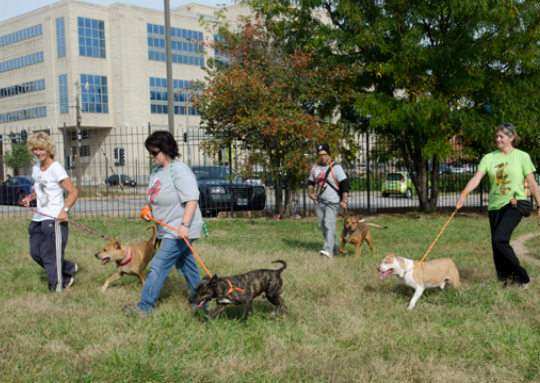
Engaging the community is a vital aspect of rescue efforts. It is essential to foster an environment where residents understand the issues strays face and feel empowered to help. Rescue groups can organize events such as “Dog Walks for a Cause,” where community members come together to raise funds while engaging directly with the dogs. This not only raises money but also builds community support.
Involving local schools or businesses can further enhance outreach efforts. Programs that educate children about responsible pet ownership can create a new generation of compassionate dog lovers. Businesses can also play a role by sponsoring events or donating supplies needed for rescues. This community involvement broadens the rescue group’s impact and allows for a variety of avenues for assistance.
-
- Organize community events to raise awareness about strays.
-
- Partner with local businesses for sponsorship opportunities.
-
- Engage schools in educational programs about dog care.
-
- Utilize social media to share impactful stories and updates.
4. Resource Sharing and Fundraising
To effectively rescue stray dogs, groups need adequate resources, and fundraising is crucial. By pooling financial resources through collaborative fundraising efforts, organizations can help each other out. For instance, one group might organize a bake sale while another might host a car wash, and together, they can reach a larger audience and raise more funds than if they acted alone.
Additionally, sharing essential items like crates, food, and medical supplies can help reduce costs significantly. Rescue groups often have limited budgets, and leveraging collective resources ensures that every dollar is used effectively towards the care of the dogs. This not only aids in maximizing the number of dogs saved but promotes a spirit of collaboration among local rescuers.
-
- Plan joint fundraising events to maximize community outreach.
-
- Develop a shared inventory system for resources.
-
- Explore grant opportunities that benefit multiple groups.
-
- Communicate specific needs to other organizations regularly.
5. Advocacy and Policy Change
Rescue groups can combine their voices to advocate for policy changes that benefit stray dogs. When multiple organizations stand united, they can effectively push for improved laws surrounding pet ownership, stray dog treatment, and community support programs. For instance, advocating for stricter regulations on puppy mills or better funding for animal shelters can lead to meaningful changes that improve the lives of countless strays.
Being proactive in advocacy efforts not only helps stray dogs but raises the profile of the organizations involved. By bringing together communities to rally around a cause, these groups can cultivate support and foster real change. Engaging with lawmakers and participating in community forums creates an opportunity for rescue groups to influence policies that protect animals.
-
- Identify key legislative issues that affect stray dogs.
-
- Draft position papers that outline organizational goals.
-
- Collaborate with other groups on joint advocacy initiatives.
-
- Engage community members to participate in local forums.
Through collective action, rescue groups can make profound strides in decreasing the stray dog population and enhancing their overall well-being. By emphasizing teamwork, these organizations not only save lives but also create a compassionate community that cares for its animals. If you’re passionate about animal welfare, consider volunteering or supporting local rescue initiatives. Every small effort contributes to a larger change!