
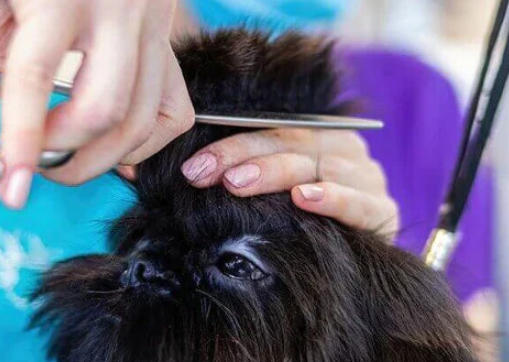
Grooming a long-haired rescued stray dog is not just about keeping them looking good; it’s an essential part of their health and well-being. These dogs often come with tangled fur and skin issues, making a proper grooming routine vital for their recovery. Here are some indispensable grooming tips to ensure your furry friend looks and feels their best.
1. Regular Brushing: The Foundation of Grooming
Regular brushing is crucial for long-haired dogs, as it helps prevent matting and tangling. The type of brush you choose can make all the difference. A slicker brush is excellent for detangling, while a pin brush helps distribute natural oils in the coat. Aim to brush your dog’s fur at least two to three times a week, or daily if their coat is particularly prone to mats.
If you notice any knots while brushing, address them gently with your fingers or a dematting tool. Take your time, as rushing through the process can lead to discomfort for your dog. If the mats are severe, it may be better to consult a professional groomer who can handle it with care.
-
- Choose the right type of brush for your dog’s coat.
-
- Incorporate brushing into your daily routine.
-
- Be gentle when working through knots and mats.
-
- Consider professional grooming for severe matting.
2. Bathing: Keeping It Clean
Bathing your long-haired rescued dog is essential, but it’s important to do it correctly to avoid stripping their coat of natural oils. Use a gentle dog shampoo formulated for sensitive skin, especially if your dog is still adjusting to their new environment. It’s typically best to bathe your dog every 4 to 6 weeks, but this can vary depending on their activity level and skin condition.
Before bathing, brush your dog thoroughly to remove loose hairs and mats. This will not only make the bathing process smoother but will also help in preventing any new tangles from forming. After bathing, make sure to dry your dog well, as wet fur can lead to skin issues. You might consider using a dog-specific conditioner for added moisture and shine.
-
- Use a gentle, dog-specific shampoo.
-
- Brush before the bath to prevent tangles.
-
- Limit bathing to every 4-6 weeks.
-
- Consider a conditioner for added moisture.
3. Nail Trimming and Ear Care: Every Detail Counts
Nail trimming and ear care are often overlooked elements of dog grooming, but they are just as vital for your furry friend’s overall health. Long nails can lead to discomfort and issues while walking, so make a point to check their nails every couple of weeks. Use a high-quality nail clipper designed for dogs and be cautious not to cut into the quick, which can cause bleeding and pain.
Ears can also be a source of concern, especially for long-haired breeds, as they are prone to infections and wax buildup. Clean your dog’s ears weekly with a veterinarian-recommended cleanser. Gently wipe the outer ear with a cotton ball and avoid inserting anything deep into the ear canal to prevent injury.
-
- Check nails every 1-2 weeks.
-
- Use specialized dog nail clippers.
-
- Handle ear cleaning with caution.
-
- Adhere to a weekly ear cleaning routine.
By incorporating these grooming tips into your dog’s care routine, you provide them with a life of comfort and health. Developing a relationship built on trust during grooming will make the experience enjoyable for both of you. Remember, when in doubt, don’t hesitate to reach out to professional groomers or veterinarians for help.