
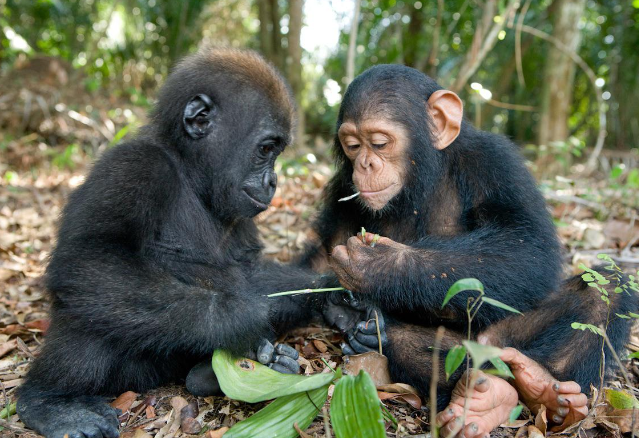
How Gorillas Interact With Other Animals
Gorillas, the gentle giants of the animal kingdom, are often seen as solitary creatures, but their interactions with other animals reveal a complex social structure and behavior. Understanding these dynamics not only highlights the intelligence of gorillas but also emphasizes the importance of their ecosystems. In this article, we’ll explore how gorillas engage with different species in their habitat.
Gorillas and Their Forest Friends
In their natural habitats, gorillas often share space with various forest animals. These interactions can range from peaceful coexistence to more engaging behaviors. For example, gorillas have been observed foraging near other herbivores, such as antelopes and monkeys, which helps maintain the balance of their ecosystem. In some cases, gorillas may even act as protectors of smaller animals by deterring potential predators, showcasing their role as larger, dominant mammals in the forest community.
Communication Across Species
Gorillas are known for their advanced communication skills, which include vocalizations, gestures, and facial expressions. These methods of communication extend beyond their own species. Researchers have documented instances where gorillas respond to alarm calls from other animals, such as birds or monkeys. This responsiveness not only indicates gorillas’ awareness of their surroundings but also reflects a level of social intelligence that allows them to navigate complex interspecies relationships. Such interactions foster a sense of mutual awareness among different species in the ecosystem, contributing to better survival strategies in the wild.
Playful Encounters with Other Wildlife
While gorillas are primarily focused on their families and troops, they sometimes engage in playful interactions with other wildlife. Young gorillas, in particular, exhibit curious behaviors towards smaller animals, including birds or even insects. These interactions can be enchanting; young gorillas may mimic the movements of other animals, leading to a playful exchange that highlights their curious nature. Such behaviors serve an educational purpose, allowing young gorillas to develop social skills crucial for their future interactions within and outside their groups.
In conclusion, the interactions between gorillas and other animals paint a vivid picture of their role in the ecosystem. These relationships not only underscore the intelligence and adaptability of gorillas but also highlight the interconnectedness of all species within their habitat. For those interested in learning more about the fascinating lives of gorillas and their behaviors, consider exploring conservation efforts or local wildlife exhibits. Your curiosity can help foster appreciation and awareness of these incredible beings and their ecosystems.