
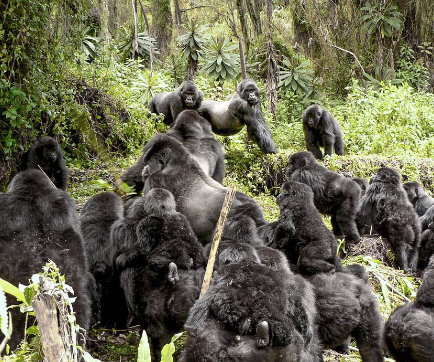
How Gorillas Form Social Hierarchies
Understanding how gorillas form social hierarchies offers fascinating insights into their behavior and social structure. These magnificent creatures display complex social interactions that not only help maintain order within their groups but also reflect their evolutionary adaptations. Learning about these dynamics can deepen our appreciation for gorillas and their role in the ecosystem.
The Silverback: The Backbone of the Troop
At the heart of gorilla social structures is the silverback male, the dominant leader of the group. This mature male usually earns his status through age, experience, and physical prowess. The silverback is responsible for the safety and well-being of the troop, often making decisions about foraging and migration. His leadership role also involves mediating conflicts and caring for the young, ensuring harmony within the group. Understanding the role of the silverback helps us recognize the intricate social fabric that gorillas weave within their communities.
Female Alliances and Social Bonds
Gorilla groups consist mainly of females and their young, who form essential alliances for survival and support. Female interactions often revolve around nurturing, grooming, and cooperating in childcare. These relationships contribute to a strong social network that bolsters overall troop cohesion. Interestingly, female gorillas may choose to stay with a particular silverback or transfer to another group, further highlighting the importance of social bonds in shaping individual choices and group dynamics.
The Importance of Communication
Communication plays a vital role in the formation and maintenance of gorilla social hierarchies. Gorillas use a range of vocalizations, body language, and facial expressions to convey their emotions and intentions. For example, low grunts can signal contentment, while loud roars may indicate distress or a need for attention. These forms of communication facilitate understanding among group members, helping to prevent conflicts and reinforce relationships. By studying how gorillas express themselves, we can gain deeper insights into their social lives.
In conclusion, the social hierarchies of gorillas are rich and multifaceted, reflecting their evolutionary history and social needs. Understanding these dynamics can enhance our knowledge of these incredible animals and their behavior. To learn more about gorillas and their fascinating social structures, consider exploring wildlife documentaries or visiting a local zoo to observe their interactions firsthand.