
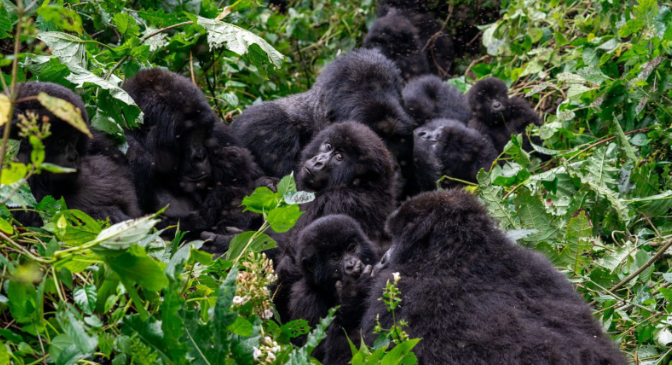
Gorilla Family Structures and Group Dynamics
Gorillas are fascinating creatures that exhibit complex social structures and group dynamics. Understanding these dynamics not only enhances our knowledge of their behavior but also aids in their conservation. As our closest relatives, studying gorillas can provide valuable insights into social structures, which can reflect aspects of human behavior as well.
The Social Unit: Troops and Family Groups
Gorillas typically live in groups known as troops, which are led by a dominant male known as a silverback. These troops consist of several females and their offspring, fostering a close-knit family structure. The silverback plays a crucial role in the troop’s dynamics, ensuring safety and stability while also facilitating social interactions. Females usually stay with their birth group, forming lifelong bonds with their mothers and siblings. This tight family unit helps nurture the young and maintain social harmony within the troop.
Roles and Relationships within Troops
Within gorilla troops, each member has a specific role that contributes to the overall functioning of the group. Beyond the silverback, other males may exist as subordinate or “blackback” males, who often support the leader and can step in as potential successors. The females, on the other hand, are central to nurturing and raising young gorillas, providing emotional and physical support. The interactions between these roles can be dynamic; while competition among males for mating rights is common, cooperative behaviors often emerge, such as grooming and sharing food, which strengthen bonds and reduce tensions.
Communication and Social Behavior
Gorillas use a rich variety of vocalizations, body language, and facial expressions to communicate with one another. From assertive chest beats to gentle grunts, these sounds convey emotions ranging from excitement to contentment. Social grooming is another important aspect of their behavior, promoting bonding and relaxation among troop members. Such interactions are crucial for maintaining the group’s social fabric, as they allow for the establishment of trust and support. Understanding these behaviors helps researchers gauge the well-being of gorilla populations and emphasizes the importance of preserving their natural habitats.
In Conclusion
Gorillas serve as a remarkable reminder of the complexities of social structures in the animal kingdom. By exploring their family dynamics, we can gain insights not only into their lives but also into our own social interactions. To learn more about these incredible creatures, consider visiting wildlife reserves or engaging with conservation efforts that protect their natural habitats. Each step we take can contribute to a better future for gorillas and enrich our understanding of their world. If you are interested in gorilla artistic expression, you can enjoy some gorilla sculptures, paintings and other works of art.