
Understanding the Yak Winter Diet: A Guide to Their Nutritional Needs
As winter approaches, it’s essential to consider how animals adapt to changes in their environment. For yaks, a resilient breed traditionally found in the Himalayas, understanding their winter diet is crucial. Their unique feeding habits ensure not only their survival but also their health during harsh conditions.
Nutrient-Rich Forage in Cold Months
During winter, yaks primarily thrive on a diet of dried grasses, herbs, and shrubs. Unlike many other animals that struggle with the scarcity of fresh foliage, yaks are adapted to consume roughage that retains its nutritional value even in freezing temperatures. This forage provides them with the carbohydrates and fiber necessary to maintain their energy levels. Interestingly, yaks have a unique digestive system that allows them to break down tough plant materials, making them well-equipped for harsh winter conditions. Farmers often supplement this roughage with hay and other forage to enhance their diet and ensure they receive all necessary nutrients.
Adaptations to Extreme Cold
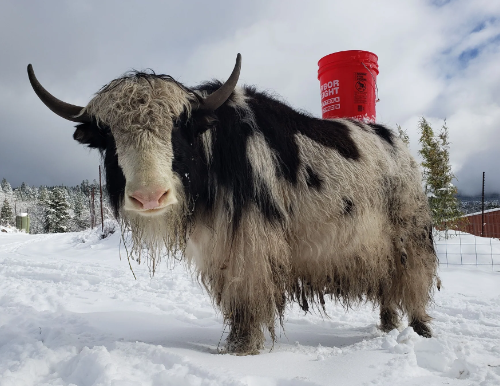
Yaks have evolved several physical adaptations that help them cope with the challenges of winter. Their thick, long fur provides insulation from the cold, while their body fat reserves offer an additional energy source when food is limited. Yaks also have large lungs, which allow them to process oxygen more efficiently in high altitudes, providing them with the stamina needed to graze in snowy terrains. This combination of physiological traits means that they can continue foraging effectively even when snow covers the ground, ensuring they meet their dietary needs.
Impact of Diet on Health and Productivity
The yaks’ winter diet significantly influences their overall health and productivity. A well-balanced winter diet not only supports their immune systems but also improves reproductive success and increases milk production in female yaks. Nutritionists emphasize the importance of ensuring yaks receive protein-rich feeds during this season, as these nutrients are vital for muscle strength and overall vitality. Additionally, proper dietary management during winter can result in healthier offspring and a more sustainable farming operation.
In conclusion, understanding the yak winter diet lays the foundation for improved care and management of these remarkable animals. By recognizing their unique dietary needs and adaptations, we can ensure yaks thrive not only through the cold months but in every season. If you’re curious to learn more about yak care or other aspects of livestock management, feel free to explore further resources or reach out to experts in the field!