
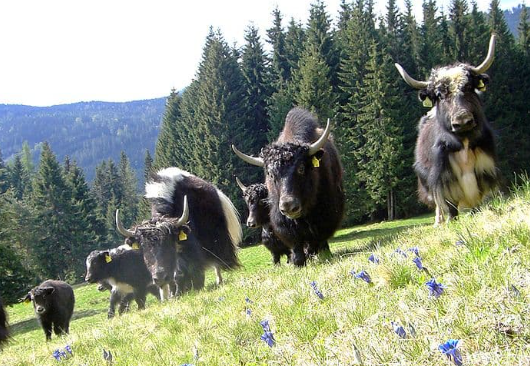
Understanding Yak Grazing: Nature’s Symphony on the Pasture
Yak grazing behavior is a fascinating and essential aspect of understanding these resilient animals. While they are well-known for their hardiness in high-altitude environments, their grazing habits significantly influence the ecosystems they inhabit. In this blog post, we’ll delve into the unique aspects of yak grazing, its ecological benefits, and how it shapes their social behavior.
The Grazing Patterns of Yaks
Yaks are natural foragers, adept at navigating the rugged terrains of the Himalayas and Tibetan Plateau. Their grazing behavior is characterized by a diverse diet that includes grass, shrubs, and even coarse herbs. Yaks have a unique ability to consume plants that many other animals overlook, helping to maintain the biodiversity of their habitat. They graze in a systematic pattern, often moving to different pastures to prevent overgrazing and allow for plant regeneration. This behavior not only promotes pasture health but also enhances their own nutritional intake.
Social Structure and Grazing
Yaks are highly social animals, and their grazing behavior is influenced by their social structure. Living in herds, they often form strong bonds and engage in cooperative grazing, allowing them to share information about food sources. Younger yaks learn from older, more experienced members, ensuring that they develop foraging skills necessary for survival. These social interactions contribute to a hierarchy within the herd, with dominant individuals often grazing first in more desirable areas. Understanding these dynamics is crucial for anyone involved in yak husbandry or conservation efforts.
Impact on Ecosystems
The grazing behavior of yaks plays a significant role in shaping their ecosystems. By consuming specific vegetation, yaks help control plant populations and promote a diverse range of species in their habitat. Their grazing patterns create patches of open land, encouraging the growth of new plants and preventing the dominance of invasive species. Additionally, their manure serves as a natural fertilizer, enriching the soil and promoting healthy grass growth. This ecological balance is vital for the overall health of the pastures and the myriad of other species that share this environment.
Conclusion
In summary, understanding yak grazing behavior offers valuable insights into their impact on the environment and social structures. These amazing animals play an essential role in maintaining the balance of their ecosystems while showcasing remarkable adaptations to their harsh habitats. If you’re intrigued by yaks and want to learn more about their behavior and conservation, consider diving deeper into resources dedicated to these magnificent creatures. Every step taken toward understanding them enriches our appreciation of nature’s symphony on the pasture.