
Survival of the Fittest: How Yaks Thrive on Limited Food in Rugged Terrains
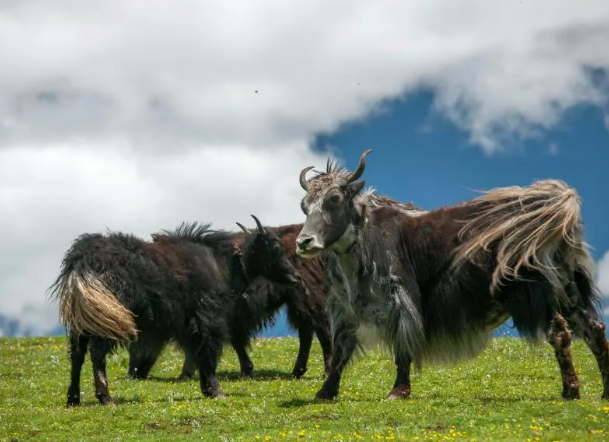
Yaks are remarkable creatures adapted to thrive in some of the world’s harshest environments. Known for their resilience, they have evolved to survive on limited food sources found in rugged terrains, such as the high plateaus of Tibet and the Himalayas. Understanding how yaks obtain and utilize their food can shed light on their impressive survival strategies.
Natural Foraging Habits
Yaks are natural foragers, skills honed by centuries of living in arid, cold landscapes. Unlike many herbivores, yaks can consume coarse, fibrous grasses and shrubs that other animals often avoid. This ability allows them to find sustenance even when options are scarce. During warmer months, they graze on fresh grass, but as winter sets in, they adapt to eat dried grasses, lichens, and mosses. This diverse diet makes them resilient in fluctuating seasonal conditions, ensuring they can find food even when the landscape transforms.
Specialized Digestive Systems
One of the most fascinating features of yaks is their specialized digestive system, designed for extracting nutrients from tough, low-quality forage. Yaks possess a multi-chambered stomach similar to that of cattle, which allows them to break down and ferment their food effectively. This process is essential for degrading the cell walls of fibrous plants, making it easier for the yak to absorb vital nutrients. Additionally, yaks have a unique ability to extract moisture from their food, which helps them thrive in arid climates where water may be scarce.
Adaptations to Harsh Environments
Yaks are well-equipped to handle extreme weather conditions and rugged terrains. Their thick fur provides insulation against freezing temperatures, while their larger lungs help them manage high-altitude environments with low oxygen levels. Moreover, yaks have strong hooves, allowing them to traverse rocky and uneven ground where other animals may struggle. These adaptations not only enhance their foraging capabilities but also enable them to travel long distances in search of food, giving them a survival edge.
Conclusion
Yaks are truly a testament to nature’s ingenuity, showcasing how life can thrive even in the most challenging circumstances. Their remarkable foraging habits, specialized digestive systems, and physical adaptations enable them to survive and flourish where few others can. If you find this topic fascinating, consider exploring more about other resilient animals and their survival strategies in harsh environments. There is always more to learn about the incredible ways wildlife adapts to our diverse planet!