
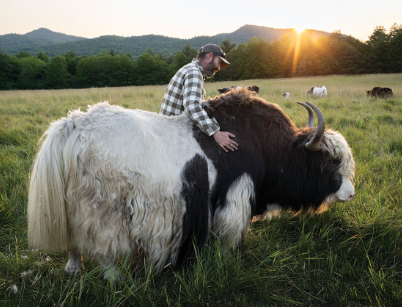
Grazing Giants: Unveiling the Summer Feeding Habits of Yaks
Summer is a crucial time for yaks, the majestic creatures that thrive in high-altitude environments. Understanding their summer feeding habits provides valuable insight into their role in the ecosystem, helps farmers manage their herds, and illuminates their unique adaptations to harsh climates.
The Environments of Summer Pastures
In summer, yaks roam the vibrant pastures of the Tibetan Plateau, where lush grasses and wildflowers begin to flourish. This high-altitude region features a unique flora that has adapted to the extreme conditions, making it an ideal feeding ground for yaks. Their dense bodies and specialized digestive systems enable them to thrive on the fibrous grasses and tough plants found high in the mountains, allowing them to extract the maximum nutrients even from low-protein forage.
Dietary Preferences and Foraging Techniques
Yaks are herbivores and predominantly feed on grasses, herbs, and other plants. They are known to use their strong, curved tongues to grasp tough vegetation, helping them efficiently graze. A fascinating aspect of their feeding behavior is their ability to select the most nutritious parts of the plants, opting for young shoots and tender leaves. During summer, when food is abundant, yaks can consume around 2% to 3% of their body weight daily, allowing them to build fat reserves for the harsher months ahead. Social dynamics also play a role; younger yaks often follow older, more experienced individuals to learn the best foraging spots.
Impact on Local Ecosystems
The feeding habits of yaks significantly impact the ecosystems around them. As they graze, they help maintain the health of the grasslands by preventing overgrowth and promoting plant diversity. Their droppings serve as natural fertilizers, enriching the soil and supporting a variety of plant life. Moreover, the presence of yaks encourages a balanced ecosystem, attracting other wildlife and contributing to biodiversity. Understanding how they interact with their environment illuminates the delicate balance of mountain ecosystems and highlights the importance of sustainable grazing practices.
In conclusion, yaks play a vital role in maintaining their summer pastures and ecosystems. By learning more about their feeding habits and ensuring their well-being, we can help preserve these majestic creatures and the environments they inhabit. If you’re inspired by the resilience and uniqueness of yaks, consider exploring more about their lifestyles or even visiting areas where these incredible animals roam!