
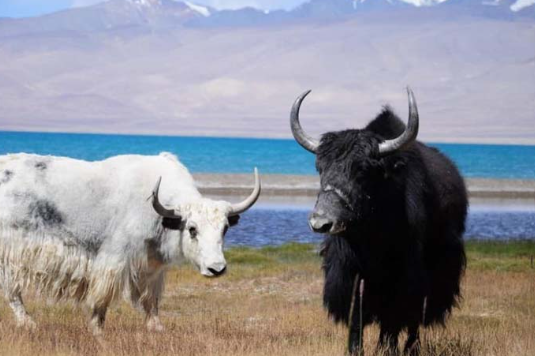
### Yak Feeding Habits in Cold Climates
Understanding the feeding habits of yaks in cold climates is essential for anyone interested in sustainable farming, animal husbandry, or wildlife ecology. These unique animals not only provide vital resources for communities living in harsh environments but also play a significant role in maintaining the ecological balance of their habitats. From their dietary preferences to their foraging techniques, yaks exhibit fascinating behavior that is well adapted to their chilly surroundings.
### Dietary Preferences of Yaks
Yaks are herbivores with a particular affinity for grassy and herbaceous plants. In cold climates, their diet primarily consists of nutrient-rich grasses, sedges, and even some shrubs that can withstand harsh weather. During the summer months, when food is abundant, yaks graze extensively, consuming large quantities to build up fat reserves for the winter. In winter, when vegetation is sparse, yaks have been known to dig through snow to reach the underlying grasses—a behavior that showcases their remarkable adaptability. The ability to shift their diet based on seasonal availability is key to their survival in extreme conditions.
### Foraging Behavior in Harsh Environments
Yaks are equipped with specialized feeding behaviors that enhance their foraging efficiency in snowy landscapes. Their broad, flat hooves allow them to navigate through deep snow, while their long, shaggy hair provides insulation against freezing temperatures. This unique combination enables yaks to thrive in high-altitude regions where other livestock might struggle. They often travel in herds, which not only increases their foraging success but also offers protection against predators. Furthermore, yaks have a keen sense of smell, allowing them to locate food sources buried beneath the snow, ensuring their nutritional needs are met even when resources are limited.
### Nutritional Requirements and Adaptations
To sustain their health and energy levels in cold climates, yaks require a diet rich in fiber and protein. The roughage they consume helps maintain their digestive system, which is specially adapted to break down tough plant materials. Additionally, yaks engage in selective feeding, often choosing the most nutritious parts of plants, such as younger leaves and tender shoots. This selective eating not only meets their nutritional demands but also contributes to the regeneration of the grasses in their environment, promoting a healthy ecosystem. Understanding these needs is crucial for farmers and herders aiming to optimize yak husbandry practices in challenging climates.
### Conclusion
Yaks are truly remarkable animals that have adapted perfectly to thrive in some of the most unforgiving environments on Earth. By understanding their unique feeding habits, we can appreciate their role in both agricultural systems and the natural ecosystem. If you’re interested in learning more about the fascinating world of yaks and sustainable livestock practices, consider exploring more resources or engaging with local farming communities!