
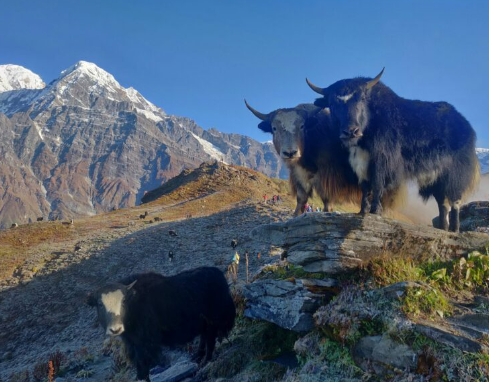
Exploring the Yak Diet in High Mountains
The yak, an iconic critter of high-altitude regions like the Himalayas, plays a vital role in the lives of many mountain communities. Understanding the yak’s diet is crucial, not only for the animal’s health but also for the sustainable agriculture practices that support local ecosystems. This article delves into what yaks eat and how their diet influences their role in high-altitude living.
The Grazing Grounds of Yaks
Yaks thrive in barren and steep terrains where most other livestock cannot survive. Their diet primarily consists of tough grasses, shrubs, and lichens, which are abundant in these rugged environments. Unlike cows, yaks have unique digestive systems that allow them to efficiently break down fibrous plant material. This adaptation is especially advantageous during colder months when food sources are scarce, ensuring yaks can sustain themselves even amid harsh conditions.
Seasonal Diet Variations
The yak’s diet changes with the seasons, showcasing their remarkable adaptability. In summer, they graze on fresh alpine grasses that are rich in nutritional value. However, as temperatures drop, yaks transition to hardier plants that maintain nutrients throughout the winter. The yak’s ability to forage for food in extreme environments not only supports their own well-being but also contributes to the biodiversity of the high-altitude ecosystem.
Nutritional Importance for Local Communities
Yaks are more than just animals; they are integral to the livelihoods of high-altitude communities. Their milk is a source of nutrition, often transformed into yogurt and cheese, while their meat provides essential protein. The yak’s dung is also collected and used as a sustainable fuel source, demonstrating how the yak plays a role in the circular economy of these remote areas. Understanding the yak’s diet helps local shepherds maximize the health and productivity of their herds, ensuring food security and economic stability.
Conclusion
The yak is not just a beast of burden; it is a critical player in high-altitude agriculture and culture. By learning more about the yak diet, we can appreciate the delicate balance of life in mountainous terrains and the sustainable practices that support it. Whether you’re interested in environmental science, sustainable farming, or simply fascinated by high-altitude life, exploring this topic offers valuable insights. Consider delving deeper into the fascinating world of yaks and their dietary habits!