
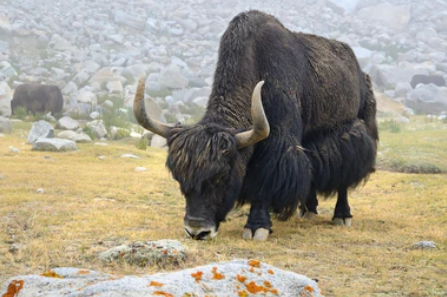
Yak Diet and Alpine Grasslands
The diet of yaks is a fascinating topic, especially for those interested in how animals adapt to their environments. Understanding what yaks eat not only highlights their ecological role in alpine grasslands but also sheds light on sustainable grazing practices. Let’s explore the diet of these majestic creatures and the unique ecosystems they inhabit.
Understanding the Yak’s Diet
Yaks are herbivores primarily grazing on grasses, shrubs, and other vegetation found in alpine and subalpine regions. Their diet is rich in fibrous plant material, which is essential for their health and energy. One interesting adaptation is their ability to extract nutrients from tough, coarse grasses that many other animals can’t digest effectively. This is due to their specialized digestive system that includes a multi-chambered stomach, allowing them to break down complex plant fibers efficiently. By consuming a diverse range of plant species, yaks play a crucial role in maintaining the balance of their ecosystems.
The Role of Alpine Grasslands
Alpine grasslands, where yaks thrive, are unique ecosystems characterized by high altitudes and extreme weather conditions. These grasslands offer a rich diversity of plant life, including robust grasses and flowering herbs. The vegetation in these regions is adapted to withstand harsh climates, making it an ideal food source for yaks year-round. Grazing yaks help manage plant growth and nutrient cycling, which contributes to the overall health of these grasslands. This interaction between yaks and their habitat showcases the importance of maintaining biodiversity and ecological balance in these high-altitude regions.
Sustainable Grazing Practices
The grazing habits of yaks provide valuable lessons in sustainability. Their natural behavior promotes healthy grassland management, as they tend to graze selectively, allowing some plants to recover and thrive. Additionally, yak herders often practice rotational grazing, moving herds to different areas to prevent overgrazing and maintain soil health. This sustainable approach not only protects the alpine grasslands but also supports local communities that rely on yaks for income, transportation, and milk production. By understanding and implementing sustainable grazing practices, we can better preserve these precious ecosystems for future generations.
In conclusion, the diet of yaks and the ecosystems they inhabit are critically linked. By appreciating how yaks interact with alpine grasslands, we can learn valuable lessons about sustainability and biodiversity. If you’re interested in animal diets or ecological balance, consider exploring more about yaks, their habitat, and the significance of responsible livestock management.