
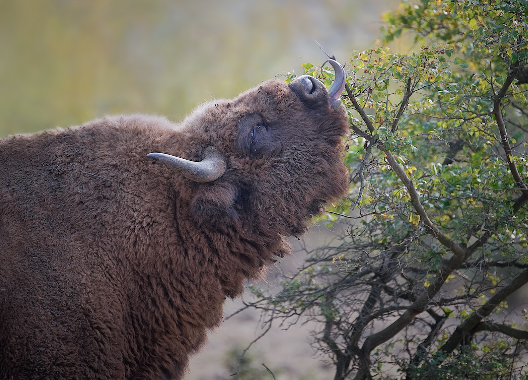
Understanding the Winter Diet of Bison
Winter is a challenging time for many animals, and bison are no exception. As the temperatures drop and snow blankets the ground, these magnificent creatures adapt their diet to survive the harsh conditions. Exploring their winter eating habits not only illuminates their resilience but also provides insight into their essential role in the ecosystem.
Foraging Strategies: How Bison Find Food in Winter
During winter, bison primarily rely on their remarkable foraging abilities to locate sustenance. Their diet shifts predominantly to grasses and sedges, which they can find even through layers of snow. Bison use their powerful heads to dig through snow, unearthing the nutritious plants hidden beneath. This behavior not only demonstrates their adaptation to cold environments but also helps maintain the grasslands by preventing overgrowth, promoting biodiversity. By understanding how bison forage, we gain a deeper appreciation for their ecological significance.
Nutritional Needs: What Bison Eat to Thrive
The nutritional requirements of bison in winter are critical for their survival. As herbivores, they need a diet rich in fiber and energy to sustain their massive bodies. While spring and summer offer an abundance of fresh greenery, winter forces bison to rely on stored energy. This can lead to a decline in body condition if food is scarce. However, bison have evolved to cope with this challenge, utilizing their adapted digestive systems to extract maximum nutrients from coarse vegetation. This capability is vital not just for individual health, but also for the overall stability of their populations.
Adaptations and Behaviors: How Bison Survive the Cold
Beyond diet, bison exhibit various adaptations that help them endure the winter months. Their thick fur provides insulation against frigid temperatures, while their large size aids in heat conservation. Additionally, bison tend to form herds during the winter, which offers protection and increases foraging efficiency as they work together to find food. This social behavior also helps young and weaker members of the herd survive the winter months. Observing these adaptations adds to our understanding of how bison thrive in even the most challenging conditions.
Conclusion
The winter diet of bison showcases their incredible adaptability and plays a crucial role in maintaining ecological balance. By learning more about how they navigate the cold months, we can appreciate these animals even more deeply. If you’re interested in wildlife and nature, consider exploring further into the lives of bison and their habitats. Understanding their behavior not only enriches our knowledge but also enhances our commitment to preserving these majestic creatures.