
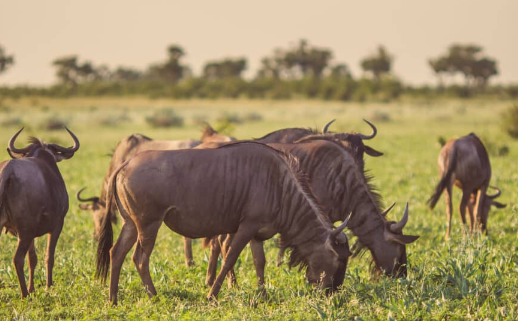
The Art of Grazing: Insights into Wildebeest Feeding Patterns
Wildebeests, known for their impressive migrations across the African savanna, have much to teach us about grazing behavior and its impact on ecosystems. Understanding these patterns not only helps conservationists protect these animals but also sheds light on their crucial role in maintaining the balance of the grasslands. Let’s explore how wildebeests graze and why it matters.
Grazing Strategies of Wildebeests
Wildebeests exhibit fascinating grazing strategies that reveal their adaptability and intelligence. Typically, they prefer to graze on short grasses, which are abundant in open plains. Their unique social structure allows them to graze in large herds, facilitating a coordinated feeding strategy that helps them detect predators more effectively. By moving as a group, they also create a natural process of grass regeneration; their grazing opens up the soil and allows sunlight to reach the deeper blades, fostering new growth.
The Timing of Grazing
Timing is everything when it comes to wildebeest grazing patterns. These animals often graze at dawn and dusk, taking advantage of cooler temperatures and lower sunlight intensity. This behavior not only conserves their energy but also helps them avoid the heat of midday, a critical factor in their survival. During these times, they are likely to cover vast stretches of land, allowing them to seek the freshest and most nutritious plants. This rhythm of activity plays a significant role in the ecosystem, influencing the growth patterns of grasses and supporting a diverse array of wildlife in the area.
The Role of Migration in Feeding
Wildebeest migrations are among the most spectacular natural events on the planet, driven largely by their quest for food. As they follow the seasonal rains across the Serengeti and Maasai Mara, these animals are not just searching for sustenance; they are triggering a cycle of regeneration in the grasslands. The movement of the herd stimulates the growth of plants through consistent grazing, providing nourishment for numerous other species. Additionally, their migration patterns help to transfer nutrients across vast landscapes, further enriching the ecosystem.
In conclusion, wildebeest grazing behavior is a remarkable example of nature’s interconnectedness. The strategies they employ, combined with their migratory habits, highlight the importance of preserving these animals and their habitats. To learn more about these incredible creatures and their vital role in the ecosystem, consider exploring wildlife documentaries or participating in conservation efforts. Every small step can contribute to the protection of these amazing animals and the environments they thrive in.