
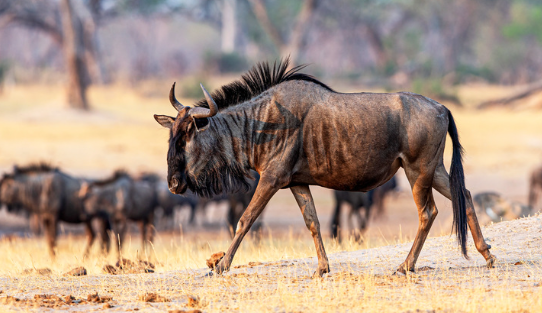
Survival Strategies: How Wildebeest Adapt Their Feeding in Dry Seasons
Wildebeest, or gnus, are remarkable animals known for their resilience and adaptability. Understanding their feeding habits during the dry seasons is crucial, not only for appreciating their survival strategies but also for broader ecological studies. These magnificent creatures demonstrate impressive techniques to cope with the challenges of limited resources, ensuring their survival in harsh conditions.
Adapting to Scarcity
During the dry season, the availability of nutritious grass diminishes significantly, pushing wildebeest to adapt their feeding habits. They often shift their grazing patterns to regions with more abundant food sources, which can include migrating to areas that retain moisture. This behavior highlights their instinctive ability to locate grass that is more palatable and higher in nutrients, which is vital for their overall health. Additionally, wildebeest are known to graze during the cooler hours of the day, minimizing the stress imposed by the hot sun and maximizing their energy intake.
Social Grazing Dynamics
Wildebeest are social animals that graze in herds, and this social structure plays a critical role in their feeding strategies during dry seasons. By feeding in groups, they can cover larger areas and detect food sources more efficiently. Herd dynamics also help them fend off predators while foraging, as there is safety in numbers. Moreover, the members of the herd often communicate with each other to signal the availability of food, further enhancing their collective foraging success.
The Impact of Migration
Migration is a hallmark of wildebeest behavior and an essential aspect of their feeding strategy. During the dry season, they embark on long migrations in search of greener pastures. This journey is not only a quest for sustenance but also a response to environmental pressures, such as water shortages and high temperatures. By moving in search of food, wildebeest are able to exploit seasonal grass growth, thereby ensuring that they have access to the nutrition they need to survive. Their migratory patterns are influenced by the availability of food and water sources, which helps sustain not only the wildebeest population but also the larger ecosystem that relies on their movement.
Conclusion
Wildebeest are fascinating creatures with incredible survival strategies, especially regarding their feeding habits during dry seasons. Their adaptive behaviors, social dynamics, and migratory patterns highlight their resilience in the face of environmental challenges. By learning more about the wildebeest and their feeding strategies, you can gain a deeper appreciation for these remarkable animals and the ecosystems they inhabit. Explore the wonders of nature and see how other species adapt to their environments!