
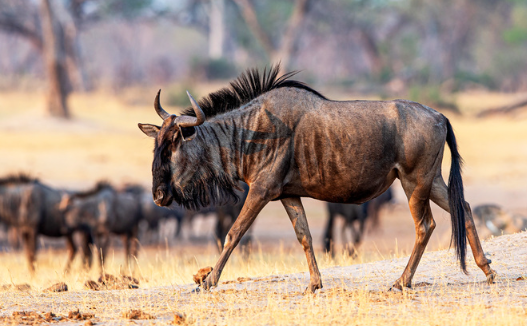
Grazing Giants: Unveiling the Wildebeest’s Savanna Diet
Wildebeests, also known as gnus, are fascinating creatures that roam the African savannas in large herds. Understanding their diet is crucial not only for appreciating their role in the ecosystem but also for recognizing the intricate relationships they share with other species. This post will explore what these remarkable grazers eat, how they graze, and the impact of their diets on the savanna environment.
The Plant-Based Feast
Wildebeests primarily thrive on grass, making them highly specialized grazers. They have a preference for short, nutritious grasses that sprout after the seasonal rains. These hardy creatures can eat vast quantities—up to 30 pounds of grass daily! Since they have a unique digestive system, they can extract maximum nutrients from fibrous plant material. This adaptability allows them to survive in the arid conditions of the savanna, where food availability can drastically change with the seasons.
The Role of Seasonal Migration
One striking aspect of the wildebeest’s diet is their migratory behavior. Every year, millions of wildebeests embark on a spectacular journey known as the Great Migration across the Serengeti in search of greener pastures. This migration ensures that they find adequate nutrition as the availability of grass ebbs and flows with rainfall patterns. By following the rains, wildebeests maintain their health and stamina, ensuring the survival of the species as they venture across treacherous terrains, from river crossings to predator-filled woods.
Impact on the Ecosystem
Wildebeests play a vital role in maintaining the balance of the savanna ecosystem. As they graze, they help control the growth of grasses, allowing various plant species to thrive. Their feeding behavior also enhances soil fertility, as their droppings serve as a natural fertilizer for the land. Additionally, the paths they create while grazing provide access to other animals, making it easier for various herbivores and predators alike to navigate the savanna. This interconnected web of life underscores the importance of wildebeests beyond just their impressive numbers.
In conclusion, the wildebeest’s diet and feeding habits are incredibly influential within the African savanna ecosystem. These grazing giants not only support their own survival but also contribute significantly to the health of their environment. If you’re interested in learning more about these captivating creatures and their role in the wild, consider exploring documentaries, books, or even planning a safari trip to see them in their natural habitat!