
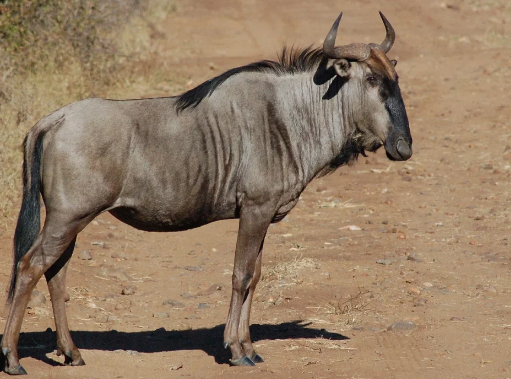
Wildebeest Wonders: Unpacking Their Unique Herbivorous Diet
Wildebeests, also known as gnus, are fascinating creatures known for their incredible migrations across the African savannas. Understanding their diet is essential not just for wildlife enthusiasts but also for anyone curious about the ecosystem and the role these animals play in it. This blog post will delve into the unique herbivorous diet of wildebeests and explore what makes their eating habits so vital for their survival and the environment.
The Grazing Machine
Wildebeests are primarily grazers, which means their diet consists mainly of grasses. They prefer short, tender grass that is rich in nutrients. What sets wildebeests apart is their ability to thrive in varying conditions, from the dry savannas to lush, floodplains. During the Great Migration, which involves thousands of wildebeests, they travel vast distances in search of fresh grazing grounds. Their constant movement not only fulfills their dietary needs but also plays a crucial role in maintaining the health of the grasslands by preventing overgrowth.
Adaptations in Diet
The wildebeest’s herbivorous diet comes with unique adaptations that allow them to maximize their foraging efficiency. Their elongated digestive system helps them break down tough plant materials, extracting the necessary nutrients their bodies need. Wildebeests also have a special ability to forage in herds, which allows them to share information about grazing locations. This social behavior not only helps them find food more effectively but also enhances their protection from predators, making it easier for them to thrive in the wild.
Seasonal Variation and Impact
Wildebeests are adaptive feeders, which means they can shift their diet based on the seasons and the availability of food. During the rainy season, they focus on tender grass shoots, while in the dry season, they may rely more on tougher grasses. This flexibility is vital for their survival. The diet of wildebeests is not only crucial for their health but also for the ecosystem at large. Their grazing habits help control the grasslands’ structure and composition, enabling other herbivores to also find food and thrive. In this way, wildebeests play an essential role in their habitat, contributing to biodiversity and sustaining life in their ecosystems.
In conclusion, the unique herbivorous diet of wildebeests is more than just a dietary necessity; it is integral to their survival and the health of their environment. From their grazing habits to their adaptations, these animals showcase the interconnectedness of life in the savanna. If you’re interested in wildlife and ecosystems, consider learning more about how different species rely on one another for survival and how each plays a part in the grand tapestry of nature.