
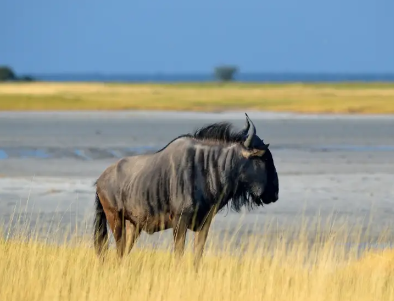
Feast or Famine: Understanding the Wildebeest’s Grazing Habits and Grass Availability
The wildebeest, with its impressive migrations across the African savanna, presents a fascinating study of survival and adaptation. Understanding the grazing habits of these remarkable creatures and the grass availability in their environment is crucial for conservationists and wildlife enthusiasts alike. This article delves into the factors that shape the wildebeest’s diet, offering insights into the delicate balance of nature.
The Grazing Patterns of Wildebeest
Wildebeests primarily thrive on a diet of grasses, which constitute nearly 90% of their nutritional intake. They are naturally adapted to graze on short grasses, making them highly effective at clearing the savanna floor. This grazing behavior not only helps the wildebeest but also plays a vital role in maintaining the ecosystem. By grazing consistently, they promote grass growth, allowing new shoots to flourish. However, this creates a cyclical pattern where grass availability directly impacts their migration and feeding strategies, leading to periods of feast during the rainy season and famine during dry spells.
Seasonal Migration and Grass Availability
The annual migration of wildebeests is one of nature’s most remarkable spectacles. As the seasons change, these animals embark on a journey that can cover thousands of miles in search of fresh grazing grounds. The timing of this migration is inherently linked to grass availability, heavily influenced by rainfall patterns. During the rainy season, the landscape bursts with lush grass, providing an abundance of food. Conversely, during the dry season, food becomes scarce, forcing wildebeests to move in search of sustenance. This seasonal cycle not only highlights the wildebeest’s adaptability but also underscores their role in the broader ecological health of the savanna.
Impact of Climate Change on Grazing Habits
As climate change increasingly affects weather patterns, the delicate balance of grazing habits and grass availability is in jeopardy. Extended droughts can reduce the growth of grass, leaving wildebeests vulnerable to food shortages. Additionally, shifts in rainfall patterns may disrupt their migratory routes, leading to starvation and a decline in population. Conservationists are now focusing on strategies that support sustainable grazing and habitat preservation, ensuring that these iconic animals can continue their seasonal migrations. Understanding the implications of climate change on the wildebeest’s diet is essential for developing effective conservation efforts.
Conclusion
The wildebeest’s fascinating relationship with grass availability provides insight into the intricacies of nature and the challenges posed by environmental changes. By learning more about their grazing habits and migration patterns, we can better appreciate and protect these incredible animals and their habitats—an appreciation often reflected artistically in a wildebeest sculpture, which captures the movement and resilience of this iconic species. If you’re intrigued by the wildebeest’s journey across the savanna and want to delve deeper, consider exploring more about conservation efforts or planning a visit to see these magnificent creatures in their natural environment.