
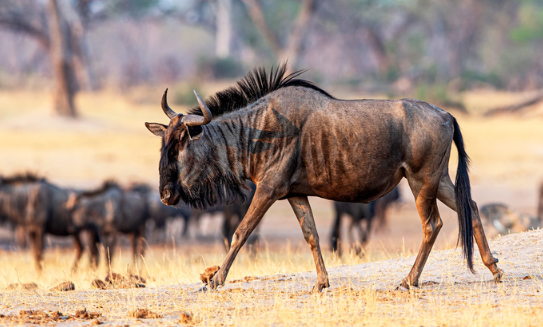
The Grazing Giants: What Do Wildebeest Really Feast On?
Wildebeest, often referred to as gnus, are iconic figures in Africa’s savannahs and play a crucial role in the ecosystem. Understanding what these remarkable animals eat not only sheds light on their behavior and habitat but also highlights their importance in the food chain. So, what do these grazing giants really feast on?
Grazing Preferences
Wildebeest are primarily grazers, munching on a wide variety of grasses found in their habitats. Their diet mainly consists of nutritious grass species, especially those that thrive during the rainy season when food is abundant. Wildebeest have evolved to be efficient foragers, able to spot and choose the most nutritious grasses, which have essential minerals. Interestingly, they often prefer shorter grasses that can regrow quickly after grazing, allowing them to return to feeding grounds repeatedly throughout the year.
Seasonal Diet Variations
The wildebeest’s diet changes dramatically with the changing seasons. During the wet season, they feast on fresh, green grasses that provide ample nutrition. However, as the dry season sets in, their options become more limited, forcing them to adapt. This seasonal variation is crucial for understanding their migratory patterns; wildebeests embark on long migrations in search of greener pastures. These migrations not only support their dietary needs but also play a fundamental role in the savannah ecosystem by promoting nutrient cycling and influencing the growth of plant species.
The Role of Trampling and Nutrient Cycling
Wildebeest contribute significantly to their ecosystem beyond just their grazing habits. As these animals roam and feed, they trample the ground, which helps aerate the soil and encourage fresh plant growth. Their grazing and movement also lead to the dispersal of seeds, supporting plant diversity in the savannah. This natural process promotes nutrient cycling, which is vital for maintaining healthy landscapes. In essence, the grazing habits of wildebeest are intricately linked to the overall health of their environment, illustrating the interconnectedness of wildlife and their habitats.
In conclusion, wildebeest are fascinating creatures with a diet that reflects their adaptations to seasonal changes and their role in the ecosystem. Their grazing habits not only support their survival but also enrich the habitats they occupy. If you’re interested in discovering more about these incredible animals and their environment, consider exploring wildlife documentaries or visiting a national park to see them in action!