
What Do Bison Eat? Understanding Their Diet and Ecosystem Role
Bison are majestic creatures that roam the North American plains, playing a crucial role in their ecosystems. Understanding what bison eat is important for conservation efforts and for anyone interested in wildlife. Their diet not only influences their health but also impacts the environment in which they live.
The Primary Diet of Bison
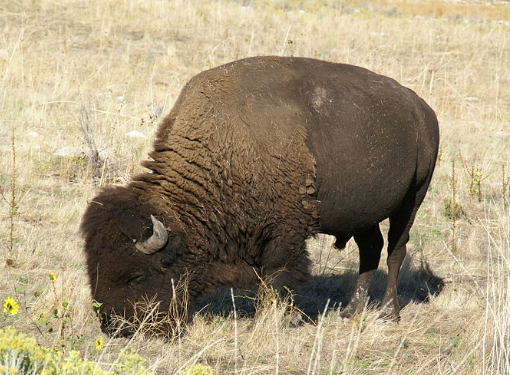
Bison are herbivores, primarily grazing on grasses, which make up about 90% of their diet. They tend to favor sweet grasses, particularly during the spring and summer when these plants are most nutritious. In addition to grasses, bison will also consume herbs, shrubs, and flowers, especially in the fall. Their foraging habits help maintain the health of grasslands by promoting the growth of diverse plant species and preventing overgrowth.
Seasonal Diet Changes
The diet of bison shifts with the seasons. In spring and summer, they eat a variety of fresh grasses that are rich in nutrients. As fall approaches and winter sets in, bison rely more on dried grasses and forbs. They can also dig through snow to access plants, demonstrating their adaptability in harsh conditions. This seasonal feeding behavior is essential for their survival and supports their ability to thrive in different climates across North America.
Impact on the Ecosystem
Bison play a vital role in their ecosystems beyond just being herbivores. Their grazing habits encourage growth in diverse plant communities, which in turn supports a variety of wildlife. By trampling down grasses and forbs, bison create open areas that allow new plants to take root. This behavior helps maintain a balanced ecosystem, supporting not only their own species but also countless others in the environment.
Conclusion
Understanding what bison eat not only enhances our knowledge about these incredible animals but also highlights their role in maintaining healthy ecosystems. If you’re fascinated by nature and wildlife, consider learning more about bison habitats and the importance of conservation efforts aimed at protecting them. By doing so, you can become an advocate for these magnificent creatures and the ecosystems they inhabit.