
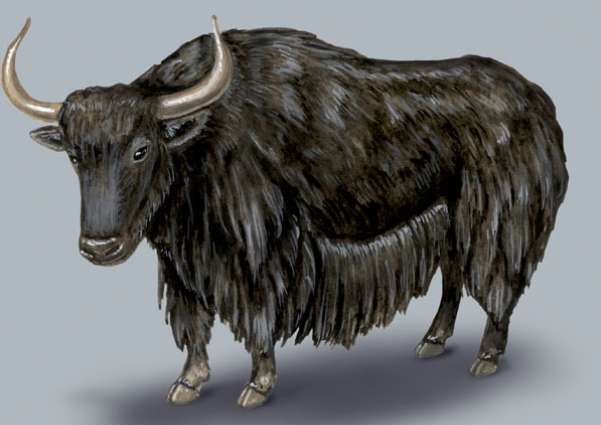
Understanding the Seasonal Diet Changes of Yaks
Yaks are remarkable creatures, primarily found in the high altitudes of the Himalayan region and Central Asia. Their ability to adapt to harsh environments is not just impressive; it is rooted in their seasonal diet changes. Understanding how yaks modify their eating habits throughout the year can provide valuable insights for farmers, researchers, and animal enthusiasts.
The Feeding Habits During Summer
In the warmer months, yaks primarily graze on lush green pastures. During this season, the availability of fresh grass and various herbs plays a significant role in their diet. These grasses are rich in nutrients, which help yaks gain weight after the long winter months when food was scarce. Additionally, yaks consume a variety of flowers and shrubs, providing them with the vitamins and minerals necessary for overall health. The abundance of food during summer makes it the ideal time for yaks to prepare for the upcoming winter.
Adapting to Winter
As winter approaches, the landscape undergoes drastic changes. The once vibrant pastures become covered in snow, and the green vegetation is largely gone. Consequently, yaks adapt their diet to include more fibrous plant materials, such as dry grass and shrubs. These tougher food sources help yaks maintain their energy levels and provide the necessary nutrients to survive the harsh conditions. Due to a slower metabolism in winter, they require less food, but it’s crucial that what they consume is calorie-dense to sustain them through the cold months.
The Role of Altitude and Habitat
The altitude and habitat in which yaks live also significantly influence their seasonal diet. At higher altitudes, the growing season is shorter and more limited in variety compared to lower elevations. Yaks have evolved to thrive in these harsh environments, often feeding on tough grasses and other hardy plants. Moreover, their unique digestive system allows them to break down cellulose efficiently, enabling them to extract nutrients from fibrous materials that other animals might struggle to digest. Such adaptations ensure that yaks can find food even in challenging conditions.
Conclusion
Understanding the seasonal diet changes of yaks sheds light on their incredible adaptability and resilience. This knowledge is essential not only for those involved in yak farming but also for anyone interested in animal behavior in extreme environments. By learning more about these magnificent animals, we can appreciate their unique role in the ecosystem and the challenges they face due to climate change. If you’re curious to dive deeper into the world of yaks and their environmental adaptations, consider exploring further resources or joining local conservation efforts.