
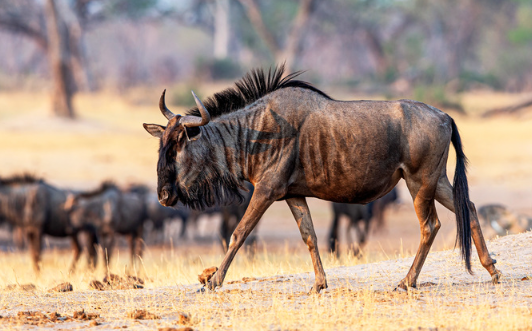
The Diet Dilemma: How Seasonal Changes Influence Wildebeest Feeding Habits
The relationship between wildebeest and their seasonal diets is a fascinating topic that highlights the intricate balance of nature. Understanding how these magnificent animals adapt to their surroundings can provide insights into the larger ecosystem and even offer clues for conservation efforts. Let’s explore how seasonal changes impact wildebeest feeding habits and what it means for their survival.
The Role of Rainfall in Diet Choices
Rainfall plays a critical role in determining the availability of food for wildebeest. During the wet season, which typically runs from November to May, the grasses of the savanna flourish. This abundance allows wildebeest to consume a wide variety of lush vegetation, providing them with essential nutrients for reproduction and health. However, as the dry season approaches, usually from June to October, rainfall diminishes, and the once-vibrant grasses dry out. This shift forces wildebeest to forage for food over larger distances, leading them on their legendary migrations across the plains of Africa in search of greener pastures.
The Impact of Soil Quality on Nutrition
Soil quality significantly affects the nutritional value of the grasses that wildebeest depend on throughout the year. Different regions possess varying soil types that influence the types of plants that can thrive. For instance, volcanic soil generally yields more nutritious grasses, attracting large herds of wildebeest during the migration season. In contrast, sandy or less fertile soils may lead to lower-quality forage, which can affect the health of wildebeest populations. Understanding these nuances helps conservationists assess how environmental changes, like climate shifts, can impact the wildebeest’s diet and overall vitality.
Adaptation and Survival: The Importance of Nutritional Diversity
Wildebeest are remarkably adaptable creatures. Their ability to change their feeding habits based on seasonal variations is crucial for their survival. During harsh weather conditions, they shift from preference for tender, nutrient-rich grasses to more fibrous and tough types. While this might not be their first choice, it enables them to endure when their favored food sources are scarce. This adaptability is a testament to the resilience of wildebeest and illustrates the effectiveness of evolution in shaping dietary habits in response to environmental changes.
In conclusion, the seasonal feeding habits of wildebeest offer a brilliant illustration of the connection between environment, biology, and survival. By paying attention to these changes, we can better appreciate the complex dynamics of ecosystems and the importance of protecting these magnificent animals. If you’re interested in learning more about wildlife behaviors and conservation efforts, consider diving deeper into the world of wildlife research or visiting natural habitats to see these animals in action!