
Seasonal Diet Changes in Bison
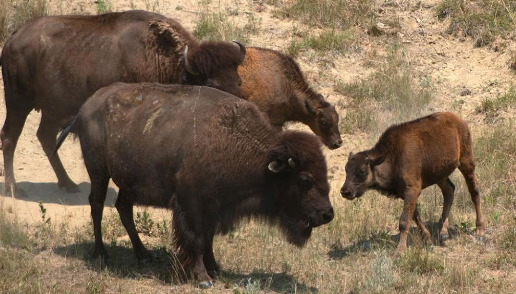
When we think of bison, we often picture these majestic animals grazing peacefully in vast grasslands. However, their diet changes with the seasons, reflecting the rhythms of nature. Understanding how bison adapt their eating habits can provide valuable insights into their behavior and habitat needs, which is crucial for conservation efforts.
The Grass-Fed Diet: Spring and Summer
During the spring and summer months, bison thrive on a diet that’s rich in fresh grasses and vibrant green plants. As the snow melts, new growth emerges, providing nutrients that are essential for their health. The abundance of protein and carbohydrates found in young shoots fuels their energy for activities such as mating and calving. Additionally, this seasonal diet is vital for young bison, as the nutritional quality of the forage directly impacts their growth and development. By the end of the summer, you may notice bison starting to store fat, preparing for the harsher conditions of winter.
The Shift to Forage: Fall
As autumn approaches, the nutritional quality of grasses declines, and bison begin to adapt their diet accordingly. During this time, they shift their foraging behavior to include a wider variety of plants, like sedges and shrubs. This change is essential as bison seek out tougher, more fibrous plants that are still available after the summer growth has slowed. The autumn months are also when bison prepare for the winter ahead, and their ability to shift their diet will determine their success in surviving the cold months. The fallback on more resilient forage reflects their remarkable adaptability to changing environmental conditions.
Winter Survival: A Diet of Determination
In winter, when the landscape is covered in snow, bison face significant challenges in finding food. Their diet shifts dramatically to consist heavily of tougher, more woody vegetation. Bison are equipped with strong digestive systems that can handle this less palatable forage, such as twigs and bark from shrubs and trees. Interestingly, they also engage in a behavior known as “snow plowing,” where they use their massive heads to dig through the snow in search of hidden grasses and herbs. This period is a true testament to their resilience, showcasing how crucial dietary adaptability is for survival during tough conditions.
Conclusion
Understanding the seasonal diet changes in bison not only highlights their adaptability and survival instincts but also underscores the importance of preserving their natural habitats. By ensuring that bison have access to the diverse plant life they depend on year-round, we can help sustain these magnificent creatures for generations to come. Dive deeper into the world of bison and their ecosystems, and consider ways you might contribute to conservation efforts in your area!